

ArcticNet
March 24, 2026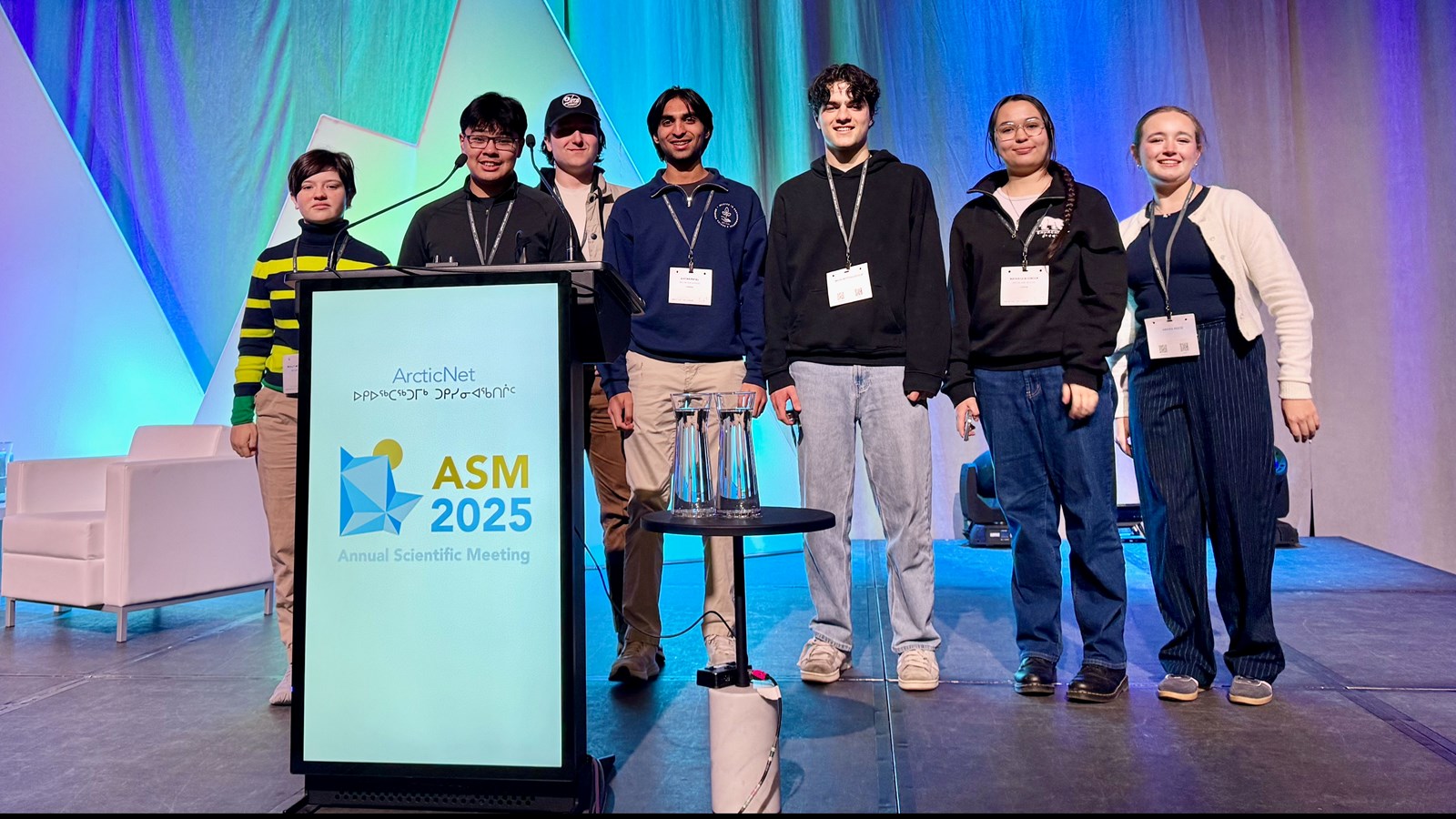
Bridging the Gap from High School to University Science
Students from the NorthSTAR (Northern Student-led Arctic Research) program have been participating in scientific research that directly prepares them for university. The research has been conducted over the year as the students work together with Dr. Jane Waterman and Dr. Emily McKinnon. This science enrichment program includes training, research, collaboration, data analysis, field work, outreach opportunities, and scientific conferences. The students start their journey with workshops, research talks and training from the professors to prepare them for their field-work on polar bears in Churchill, Manitoba. They conduct data analysis alongside university students and work towards presenting their work at a scientific conference.
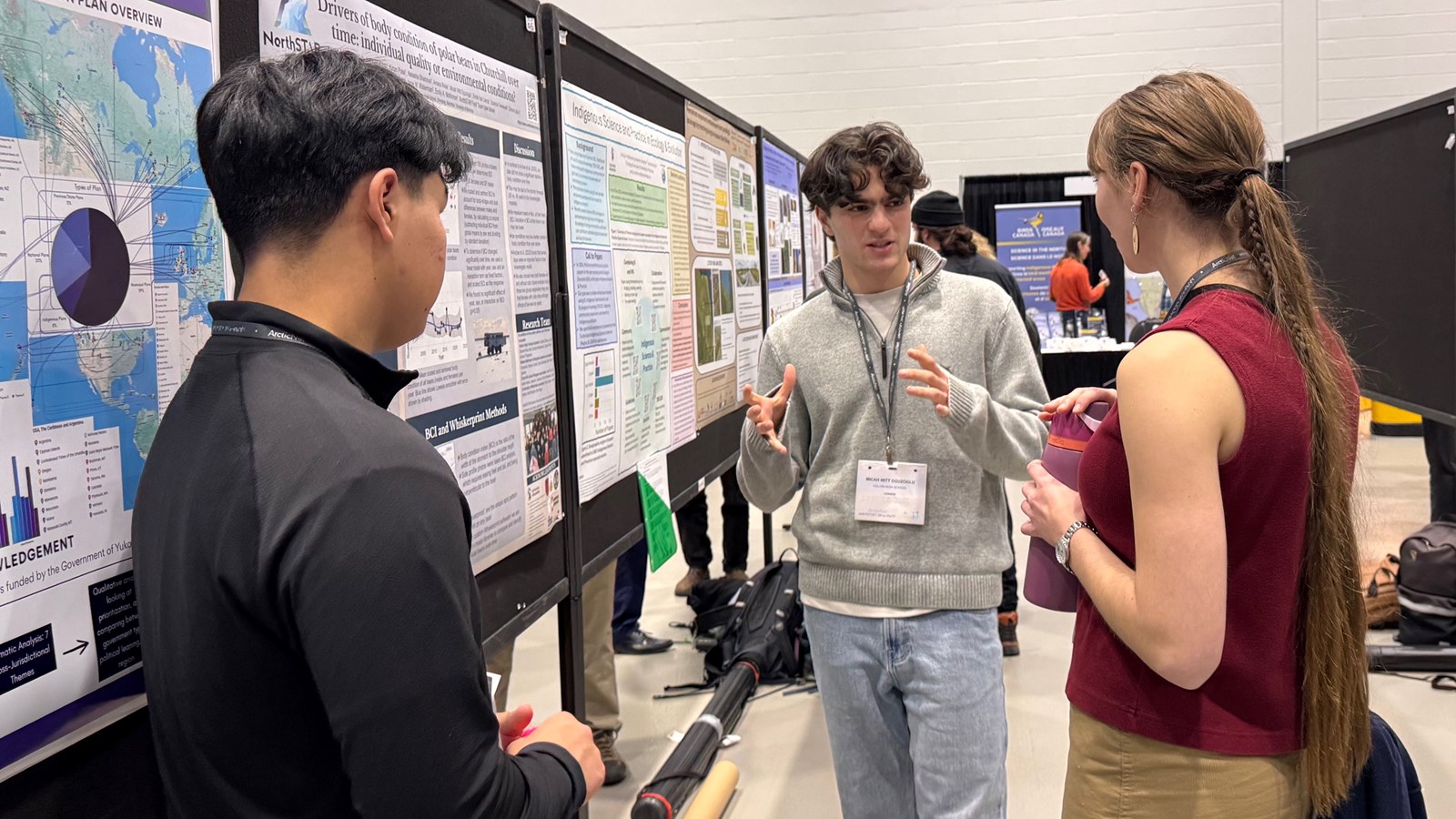
This year students travelled to Calgary, Alberta to attend the ArcticNet Scientific Conference 2025 and presented their research on “Drivers of body condition of polar bears in Churchill over time: individual quality or environmental conditions?” Students confidentially talked about their results, fielded questions about their work, took suggestions on next steps from interested professors, and continued to amaze the other participants as the only high school students presenting such high-level studies. They received much support from other researchers who often commented that they wished they had had an opportunity like this in high school.
Grade 12 student, Kirtan Patel, participated in the conference after being part of the NorthSTAR program for the past two years:
“The highlight of the ArcticNet conference for me was presenting our own research. During our time at ArcticNet we had two poster sessions over two days in which members of our research team talked to people like university students, professors and researchers. It felt amazing being able to talk and explain our research to people who were also highly enthusiastic and knowledgeable about the arctic. During the poster sessions I enjoyed speaking with others about their own research. I thought it was interesting how many different projects were going on in northern Canada and their unique objectives. For me the final highlight would definitely be the snacks being offered throughout the poster sessions.”
Micah Witt Ogluzoglu is also a student leader who attended the conference:
“The ArcticNet conference is a blend of many different poster and presentation sessions from many university members and others. I went in expecting not to understand any of the science and expecting it to go over my head, but I was pleasantly surprised. The information presented was very complex but also very digestible even for high school students who are not familiar with all the necessary background. The highlight of the presentations was a 90 minute session on the wildlife and ecology in the southern Hudson’s bay. I was not expecting to learn so much about the animals in Manitoba, especially belugas and seals that live in our own province and waters. All in all, listening to all the other posters and presentations gave me a much deeper understanding of the wildlife, terrain and the challenges facing the Canadian arctic.”
“The ArcticNet ASM2025 was a wonderful opportunity for the students to stand alongside university professors and researchers to present as well as discover cutting-edge scientific work while attending sessions and workshops. The main message for the students was that community-driven Arctic research must have at its core a focus on cooperation, communication and collaboration.”
Donna Labun, Kelvin Chemistry teacher
Students will have the opportunity to present at the Canadian Wildlife Society Conference in March, 2026. They will also participate in the Science Rendezvous outreach program for elementary students at the University of Manitoba in May, 2026.
This conference followed a successful field season in Churchill, Manitoba in early November. The students saw many polar bears during their two days on the tundra buggy. The Winnipeg students joined and collaborated with University of Manitoba Access program students, Wawatay scholars, Churchill Junior Canadian Rangers and high school students from Norway House, Manitoba.
“Doing research in Churchill was an incredible experience. Immediately after setting into the Churchill Northern Studies Center, we saw a polar bear right outside. In a way, it felt like it was welcoming us to Churchill. Despite the cold winds and snow, we spent two full days out on the tundra taking pictures and collecting data. This year, we were lucky enough to see a pair of sparring bears and a mother and cub. Furthermore, getting to look back at our photos at the end of the day was so special. It was so fun to see pictures of the bears in cute and silly poses amoungst the photos that we took for data collection. Other than research, we had a wonderful tour of Cape Merry and the town of Churchill, and got a presentation from a local elder. Overall, our time spent in Churchill was unforgettable, and I think I speak for everyone when I say that we will remember it for the rest of our lives.”
Amara Wiste, grade 12 Kelvin student
.jpg)
.jpg)
.jpg)