


A helping hand: WSD welcomes northern evacuee students
June 2, 2026 News Story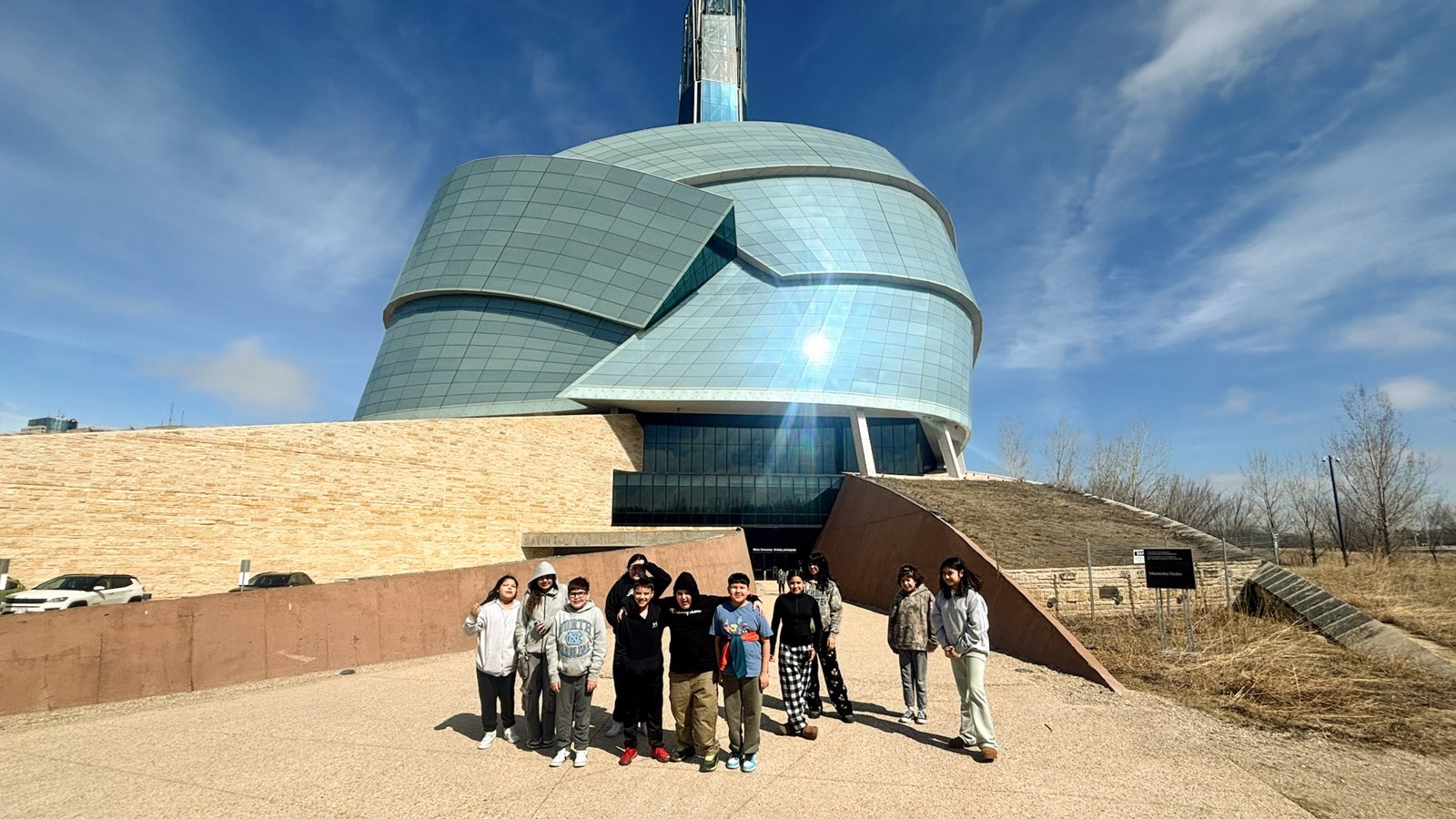
When communities face uncertainty, schools often become more than places of learning. They become spaces of stability, connection, and care. This has been the experience for students and educators from Pimicikamak Cree Nation (Cross Lake) who were displaced to Winnipeg this winter due to a major power outage that damaged schools and homes.
With support from Pimicikamak community leaders, Manitoba Education, and Canadian Red Cross, WSD opened up its classrooms and schools to evacuated youth so they could continue learning while away from home. What began as emergency planning evolved into a collaborative effort focused on helping students maintain routine, connection, and a sense of normalcy during a challenging time.
Keeping Students Connected to Learning
For Monica Chastellaine, principal at Otter Nelson River Early Years School in Cross Lake, the decision was made to continue classes in Winnipeg School Division as it became clear the evacuation would last longer than expected. Initial discussions focused on sending homework packages to kids, but support from WSD helped develop a more sustainable learning plan for students and families who are staying in the city.
“We thought the easiest way, especially for the children transitioning, was to try and get our own classrooms in the schools and also use our own educators,” said Chastellaine.
At its peak, the initiative brought more than 130 evacuated students to Winnipeg School Division, ranging from Kindergarten to Grade 8, which included life skills programming for high-needs students, all led by Cross Lake teachers.
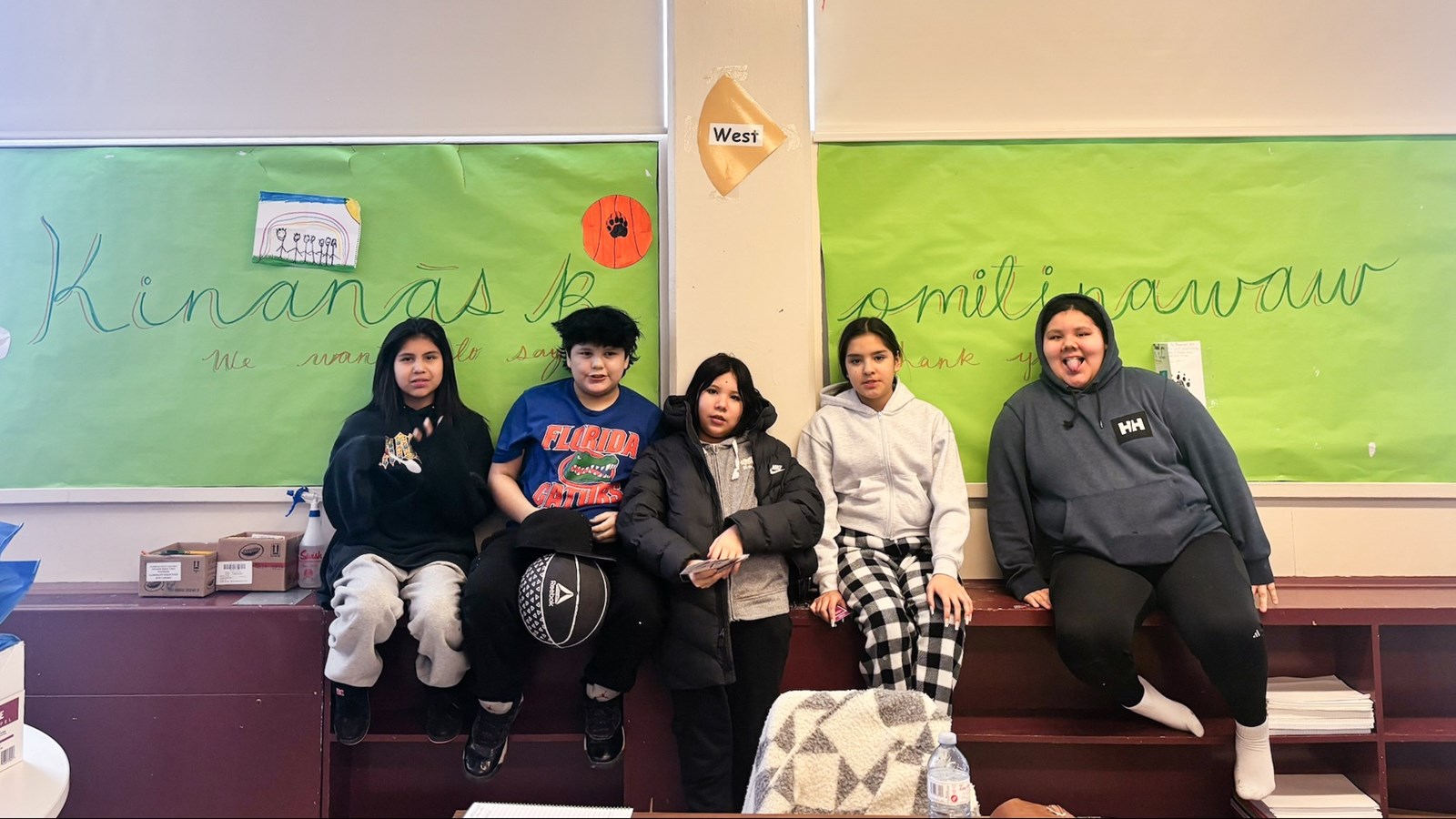
One of those teachers is Star Beardy, who has been supporting students and their learning while evacuated. With only a short time to decide to relocate, Beardy moved to Winnipeg to continue teaching Grades 5/6 students to help them maintain routine, connection, and a sense of stability.
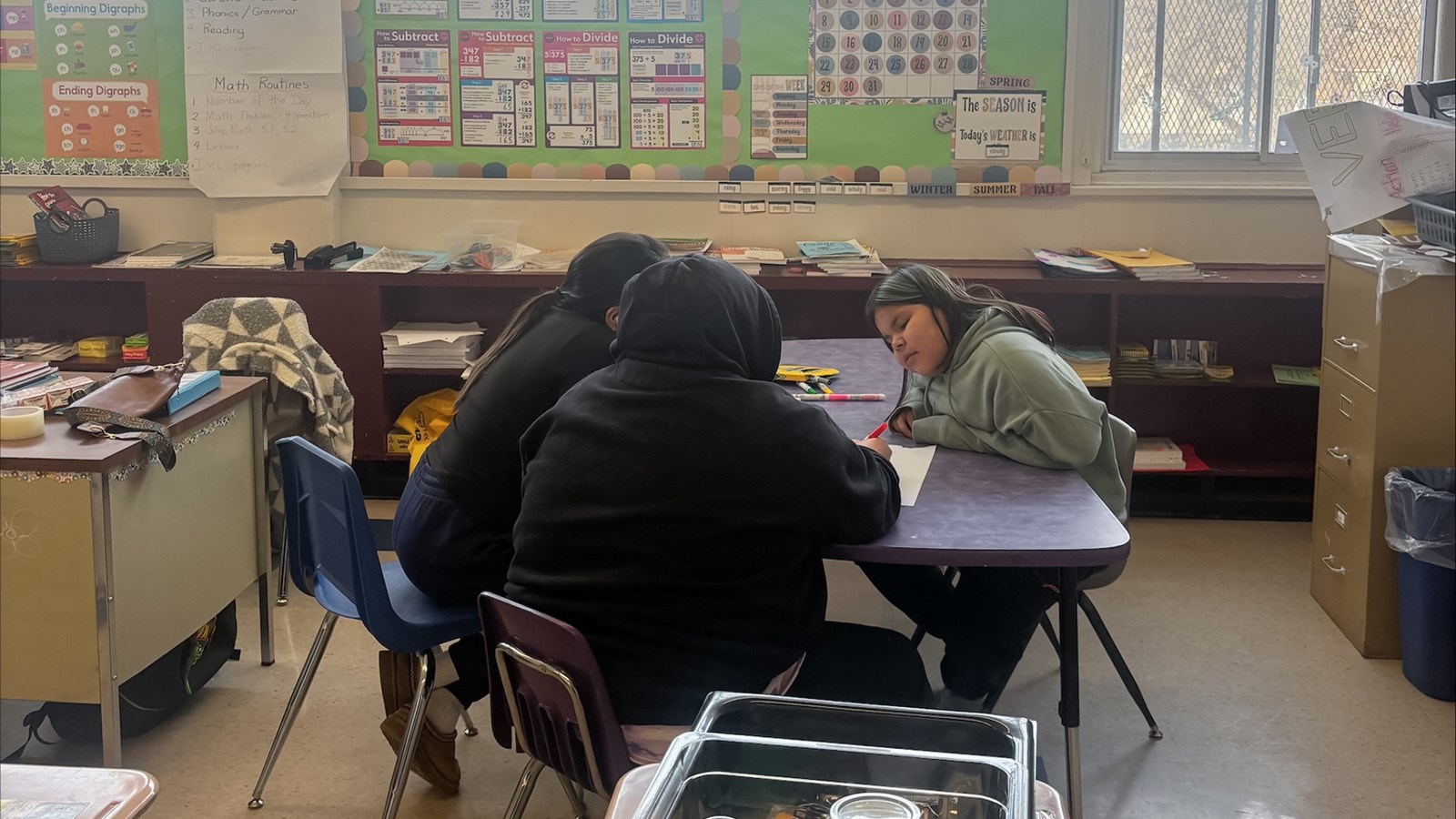
Star’s classroom routines include games, conversations, mental health breaks, and opportunities for students to simply spend time together. “Coming to school shouldn’t feel like a burden,” she said. “It should feel like a safe place to come and learn and be with people their age.”
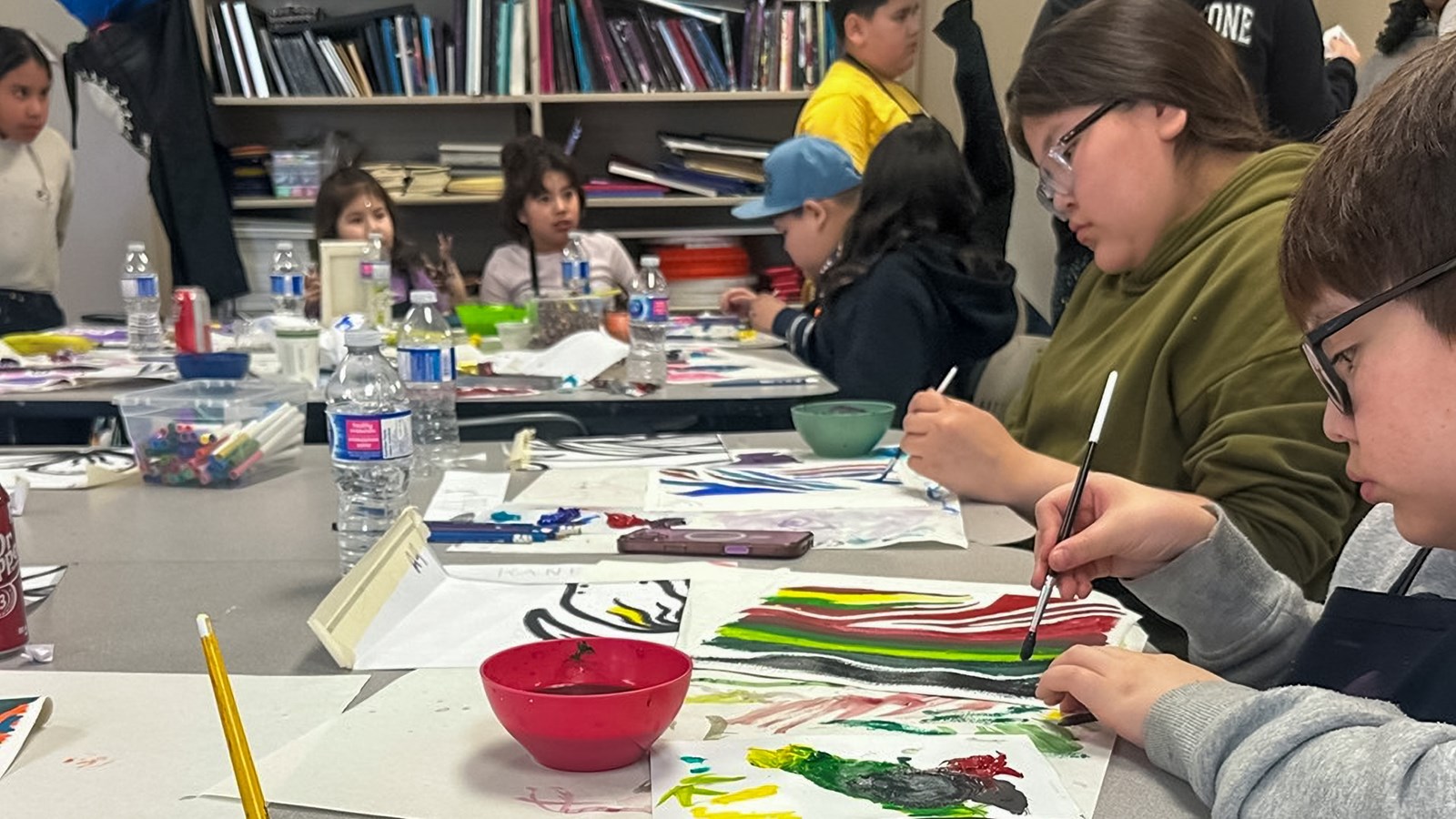
Students first attended classes at Niji Mahkwa School and later moved to Isaac Newton School. Beardy said small gestures helped students feel welcome, including handwritten notes from students at Niji Mahkwa expressing how happy they were to have the visitors at their school. Children of the Earth High School educator and professional artist Cynthia Flett also hosted a student and community art party, which included a mosaic art lesson on a braid of sweetgrass to symbolize the strength we have when working together rather than separately, as a braid is much stronger than a single strand.
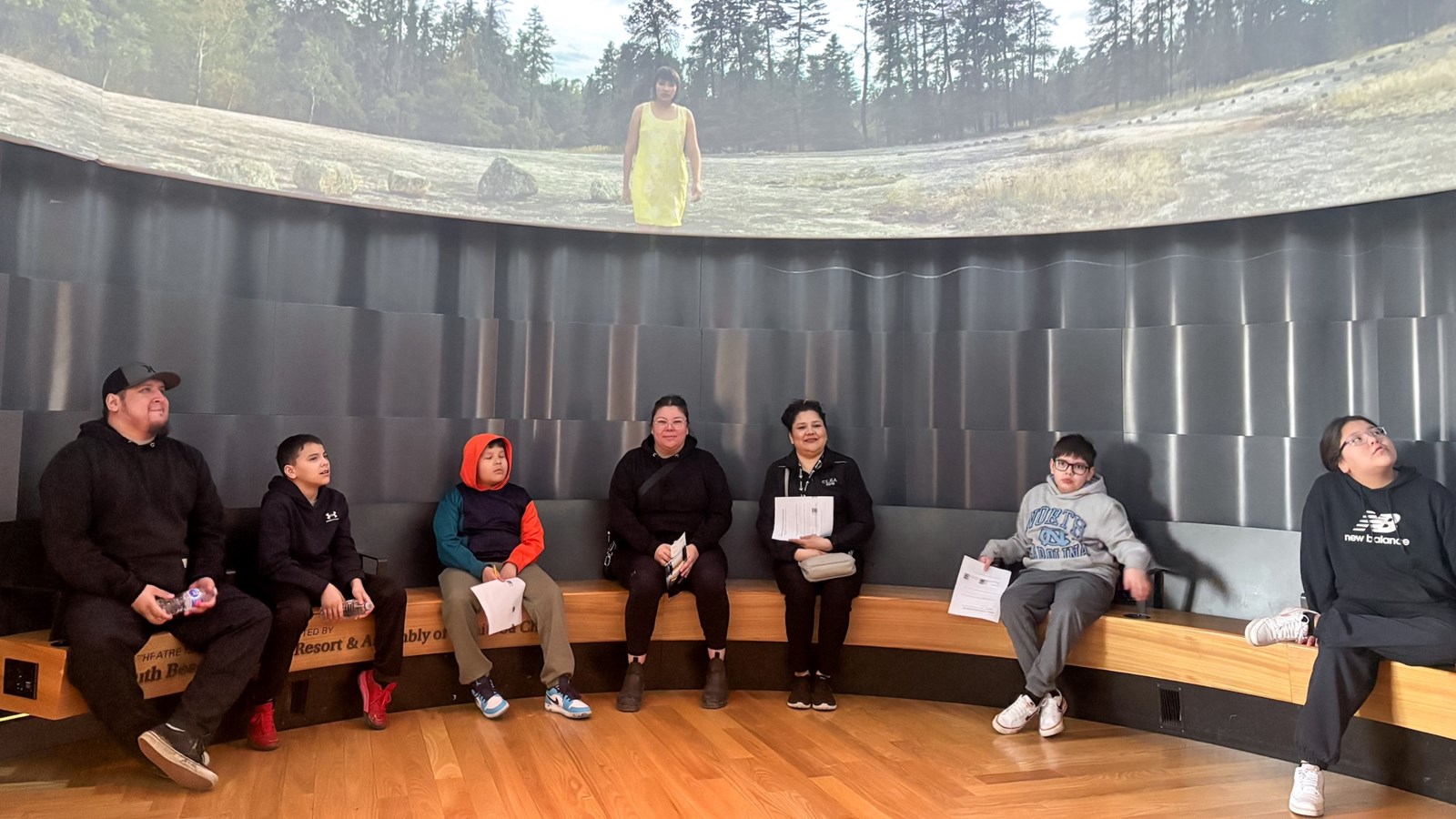
Being in Winnipeg has also given evacuated students learning opportunities they would not otherwise have, such as an enlightening field trip to the Canadian Museum for Human Rights.
Strengthening Connections Across Communities
Nichola Batzel, Principal of Rossbrook House and Northern Engagement at Winnipeg School Division, said the experience has highlighted the resilience and strength of Pimicikamak Cree Nation. “I’ve been amazed at how much they’ve accomplished and how much they pulled together to make things work for their children and their community,” she said.
Batzel added that the partnership has also been meaningful for WSD schools, creating opportunities for students and staff to learn from one another and strengthen relationships across the province.
As classes for these special guest students continue through June, educators say working together has reinforced the important role that schools play during times of crisis. They are not only centres for learning but also places where students and families can feel supported and connected until they can return home and re-establish learning routines.