


Exploring Filipino Culture at Harrow School
January 26, 2026 News Story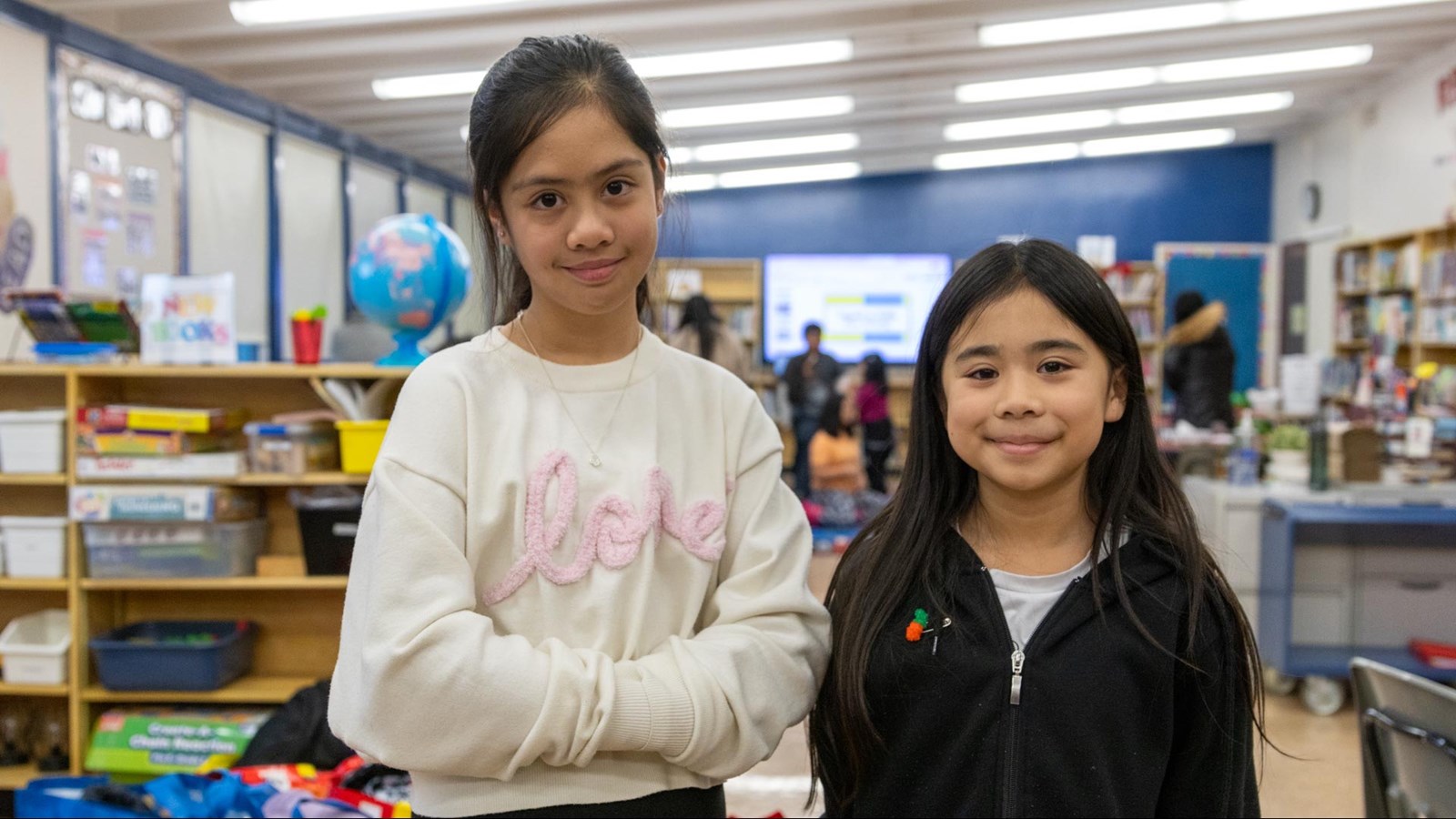
“It’s Tagalog class today!” says Mayari, a kindergarten student at Harrow School. She’s one of 16 students who gather on Wednesday afternoons for the MATFI Filipino Heritage Language Program. The initiative is run by Ronel Calanza, the school’s kindergarten teacher, and head clerk Eunice Hernandez, and their goal is to engage students in Filipino culture and language.
As the session starts, students from across grade levels begin to gather. For some, the culture is part of their family story; for others, it’s brand new. Either way, their excitement is evident.
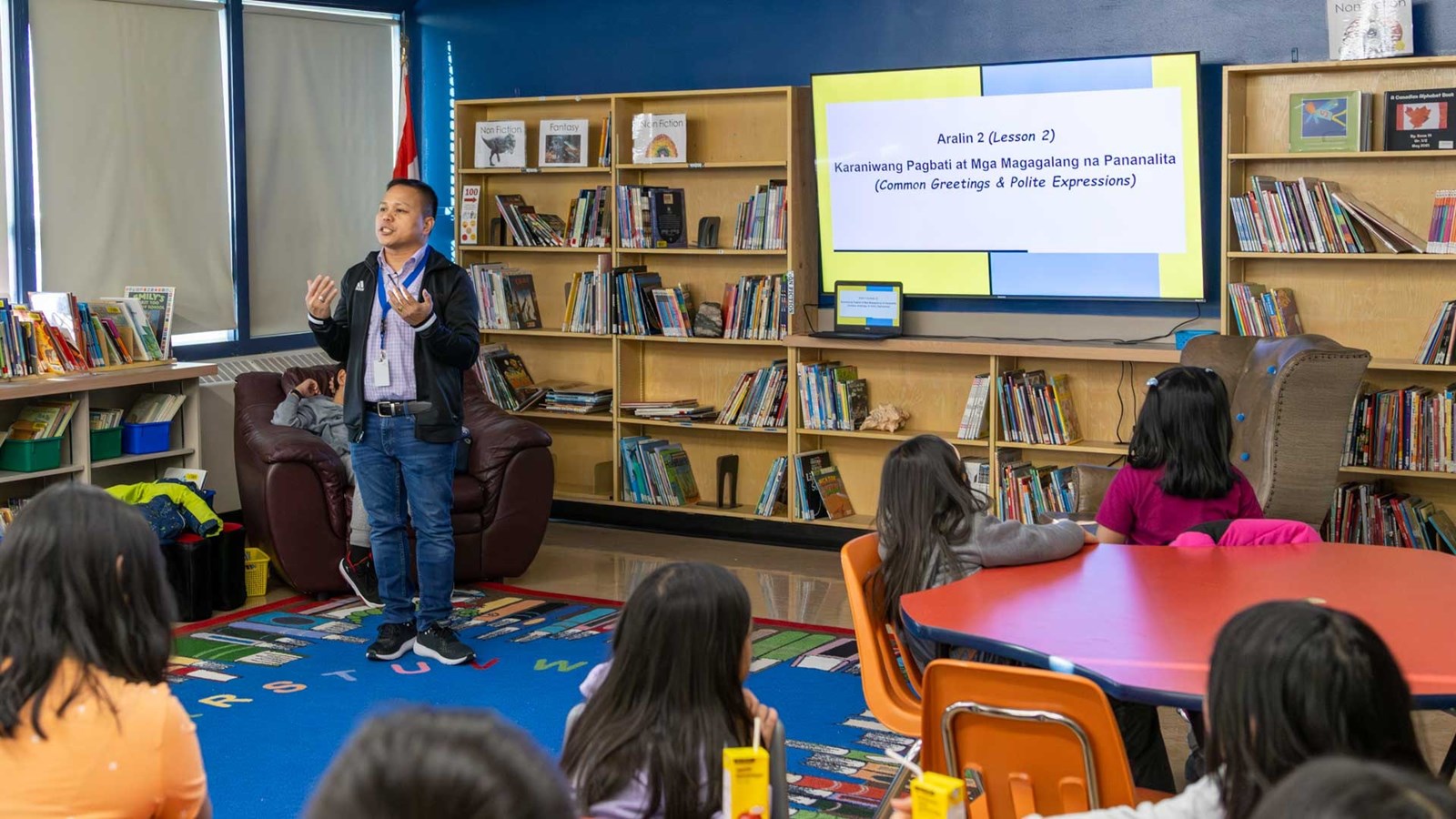 Mr. Calanza leads the program and prepares the activities for each session.
Inspired by the community
For Calanza, this initiative aims to connect students and the school community to Filipino heritage. On the language side, kids explore everyday vocabulary through games and interactive activities. On the cultural side, they learn about the Philippines as a country, the tinikling dance, and traditional songs. All of this supports Calanza’s goal of helping kids learn about their heritage while welcoming classmates who are curious about their friends’ culture.
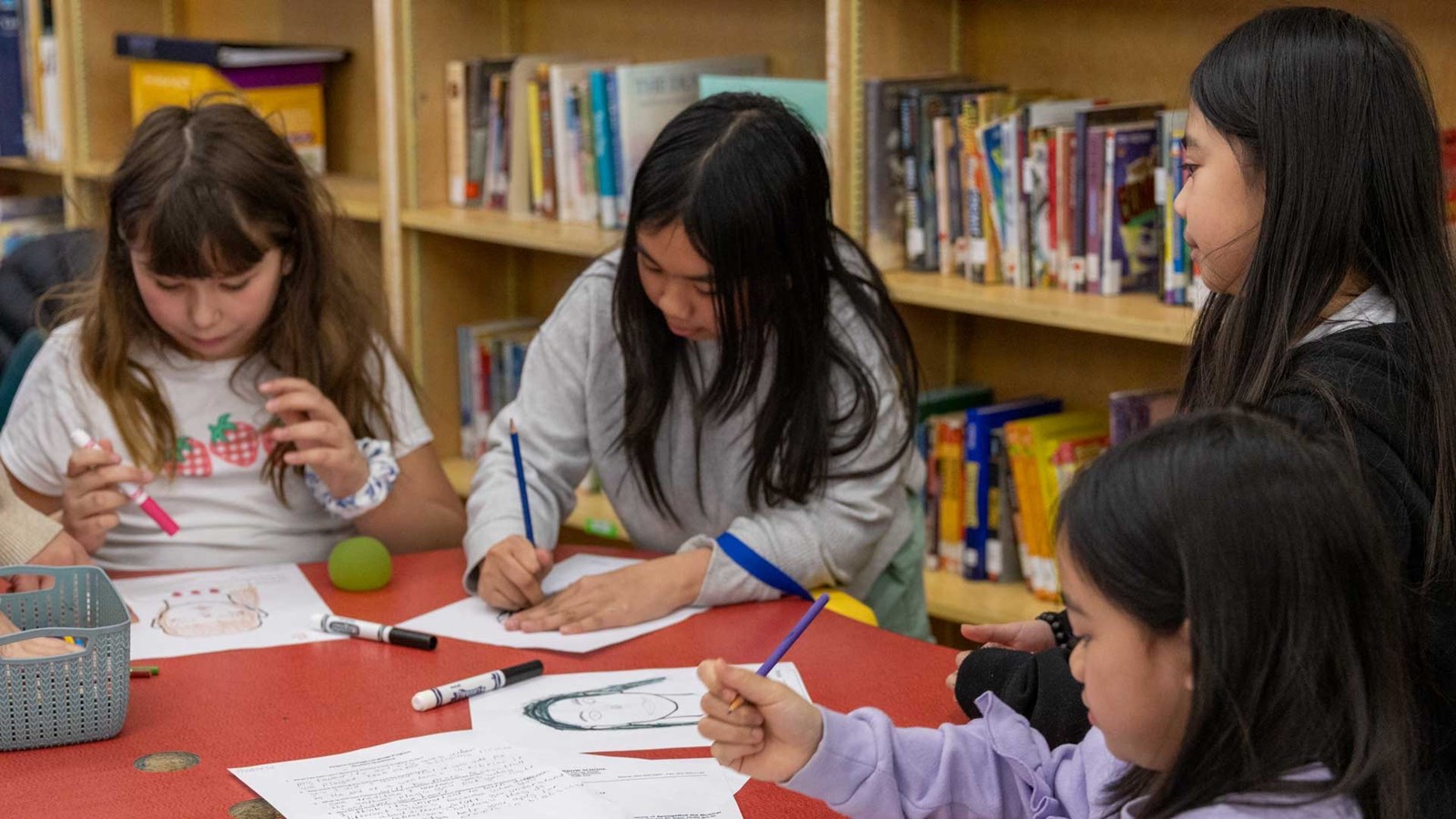 As part of the activities, students work on a self portrait they use to introduce themselves in Tagalog.
Head clerk Eunice Hernandez sees the program as a chance to immerse herself in the culture. Growing up in the Grant Park neighbourhood, she didn’t have access to a program like this. While she understands the language from hearing her parents speak at home, she isn’t a fluent speaker. That experience inspired her to join her colleague’s initiative and help students connect with their heritage in a way she would have appreciated as a child.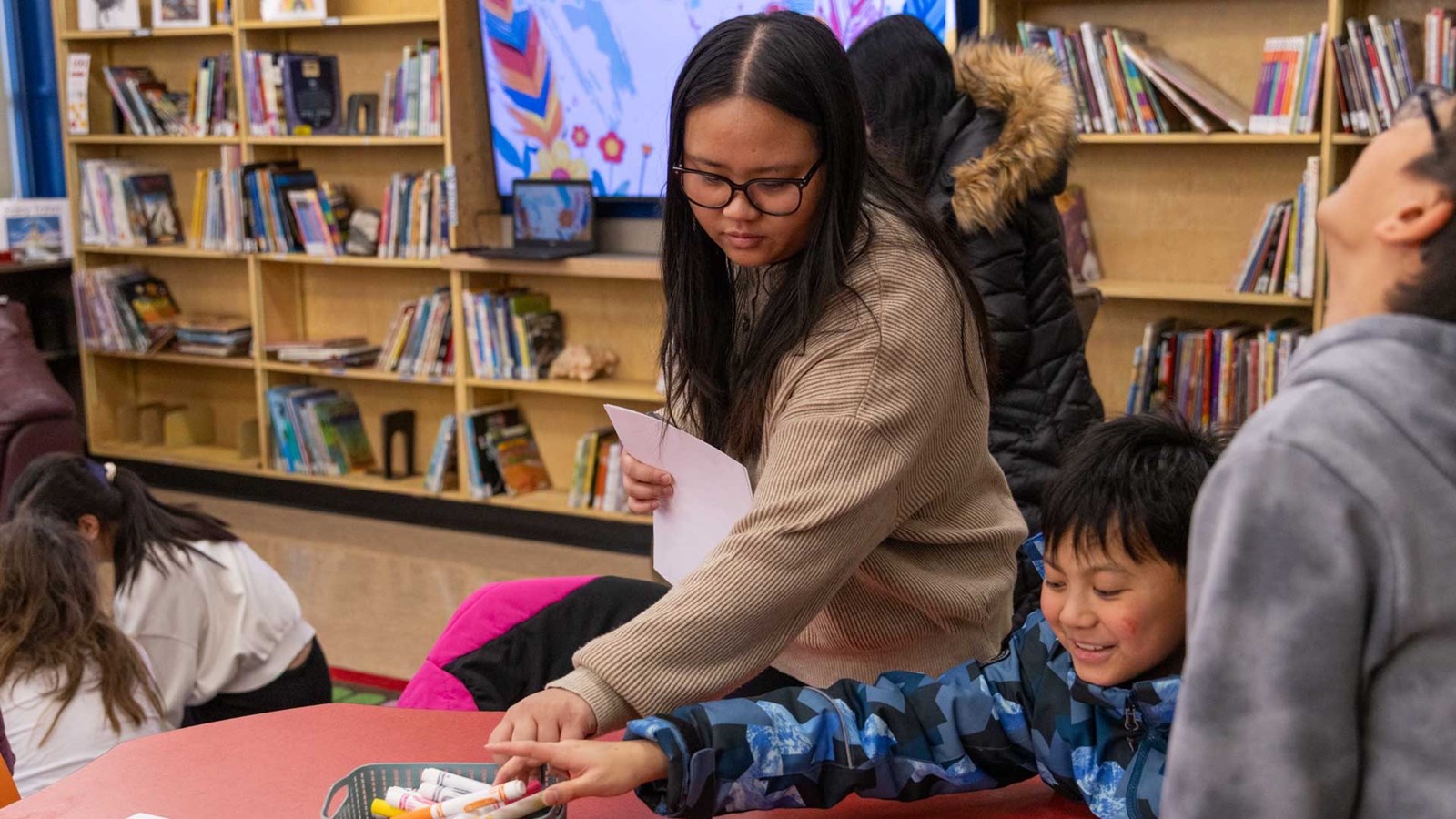 Eunice Hernandez helps to coordinate the activities.
Parents are involved in the program as well, helping with activities, assisting with translations, and accompanying their kids in this journey. Families have shared with staff their excitement about the program and their hope it continues in the school in the coming years.
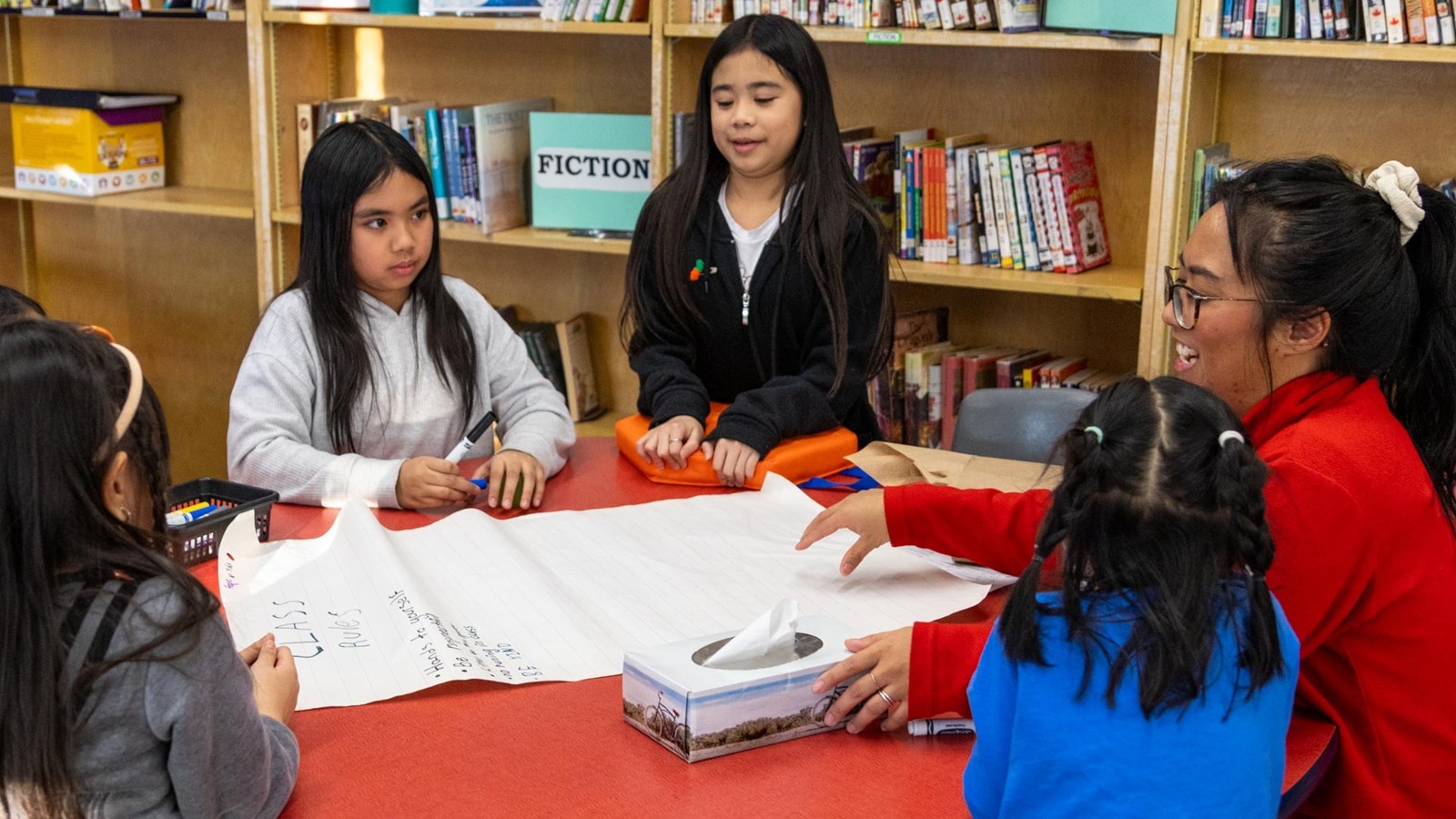 Students draft together a set of rules in English that they will translate into Tagalog. One of the student’s mother, Emmeline, helps them.
What students love
Students Gracie (left) and Audrey (right) share their excitement for the program.Gracie (Grade 4) and Audrey (Grade 6) are motivated by a genuine interest in their culture and their parents’ wish for them to expand their vocabulary. So far, they’ve loved learning the classics “If you are happy and you know it” (“Kung ikaw ay masaya”) and “Rock Paper Scissors” (“Bato! Bato! Pick!”) in a different language. They are also discovering traditions for the first time. “I learned there’s a special Filipino dance,” shares Gracie. “I learned that if you add Po to the end of a sentence, it makes it more respectful,” adds Audrey.
But beyond the games and activities, they understand the extra value of learning about cultures. “It helps you understand the meaning of celebrations and holidays,” says Audrey, “but it can also help you with jobs in the future or extra credits in high school”.
Initiatives with purpose
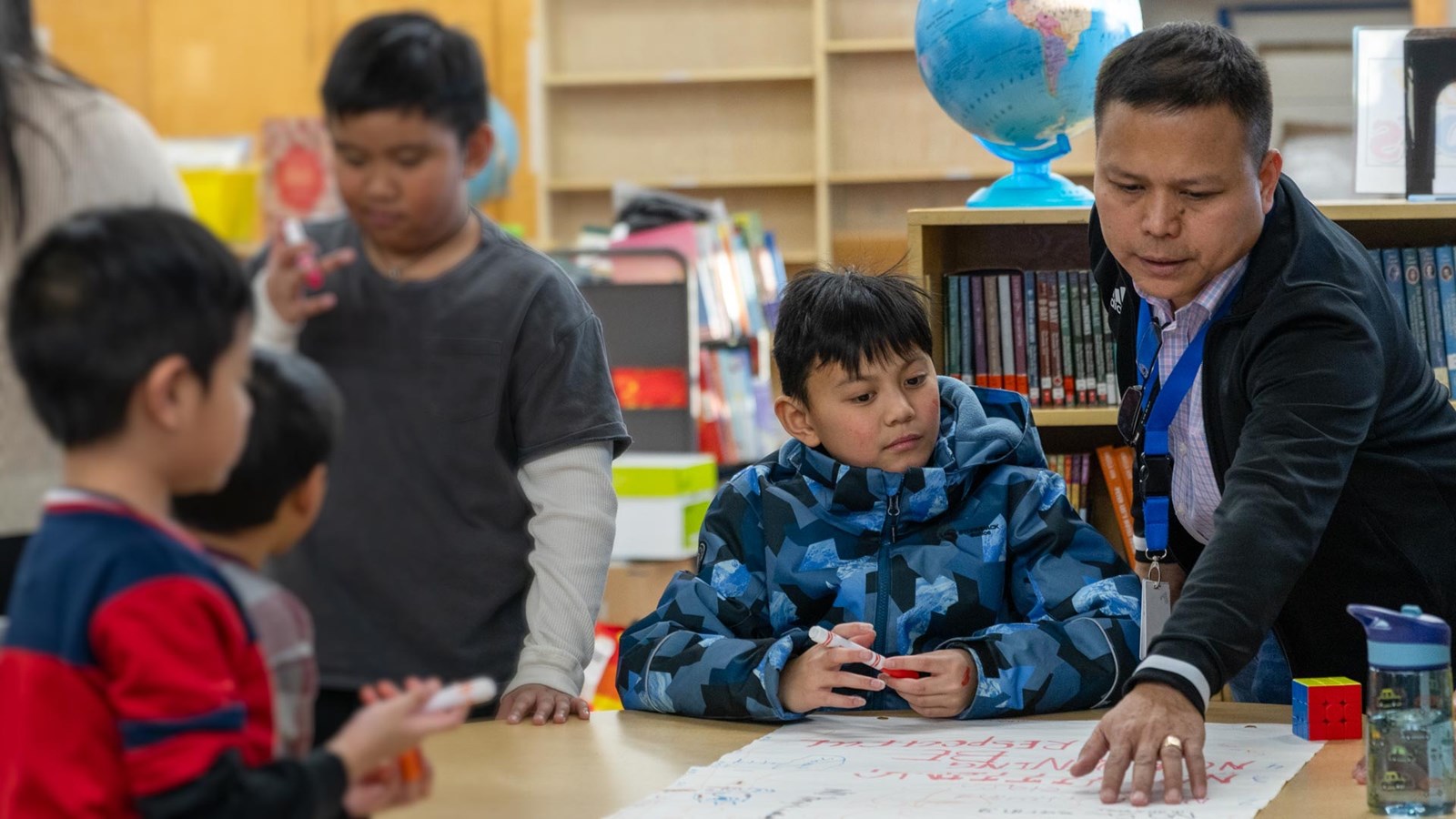 Experiences like this have powerful impact, helping students shape their identities, understand their roots, and discover their unique voices. From the students’ perspective, it sparks curiosity, pride, and excitement. But overall, it’s also an example of the power of educators who work with purpose - teachers and staff who run meaningful programs that keep learners close and build sticky schools, bringing WSD values to life.