
GMO Lab
December 4, 2025 Community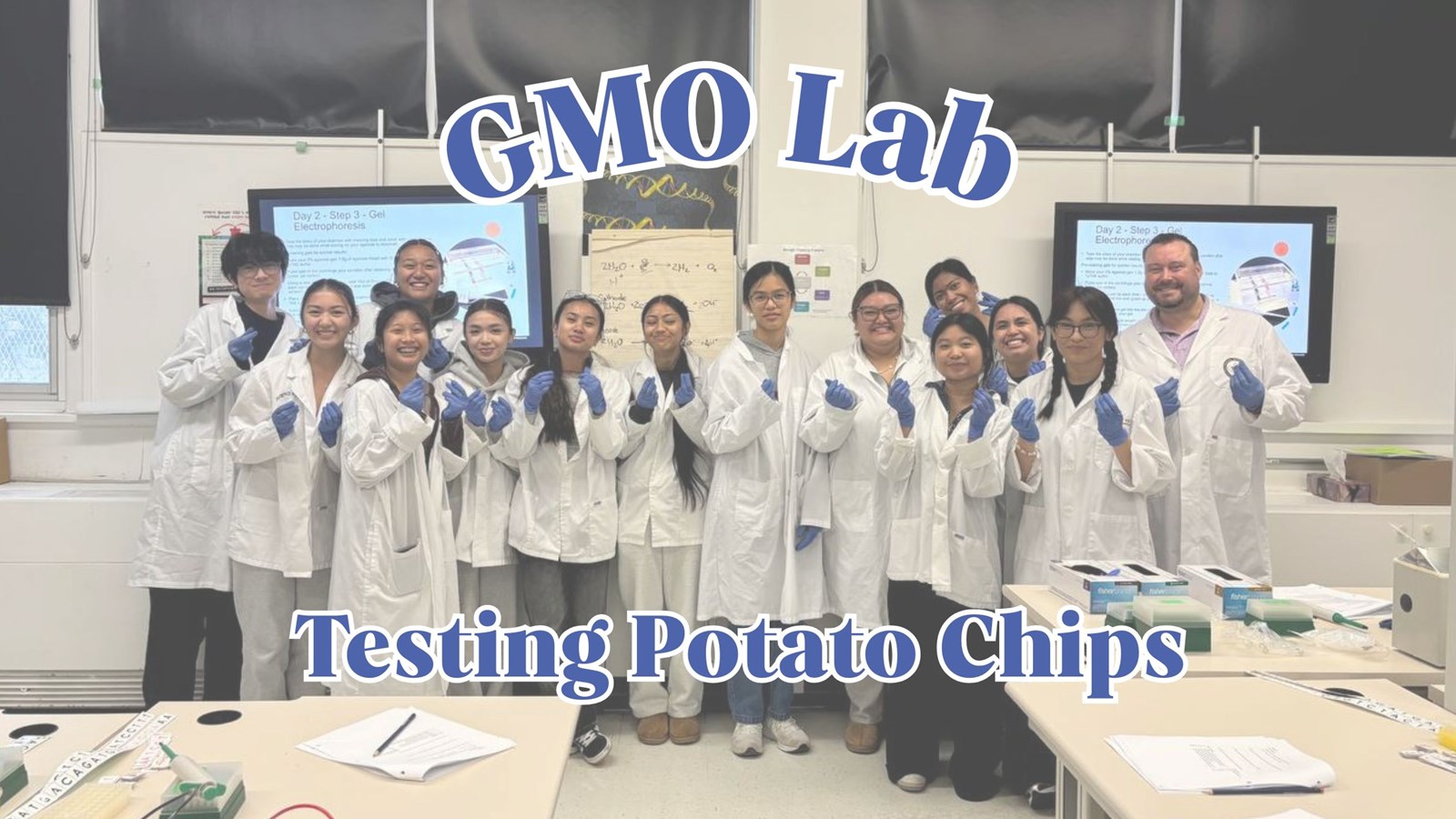
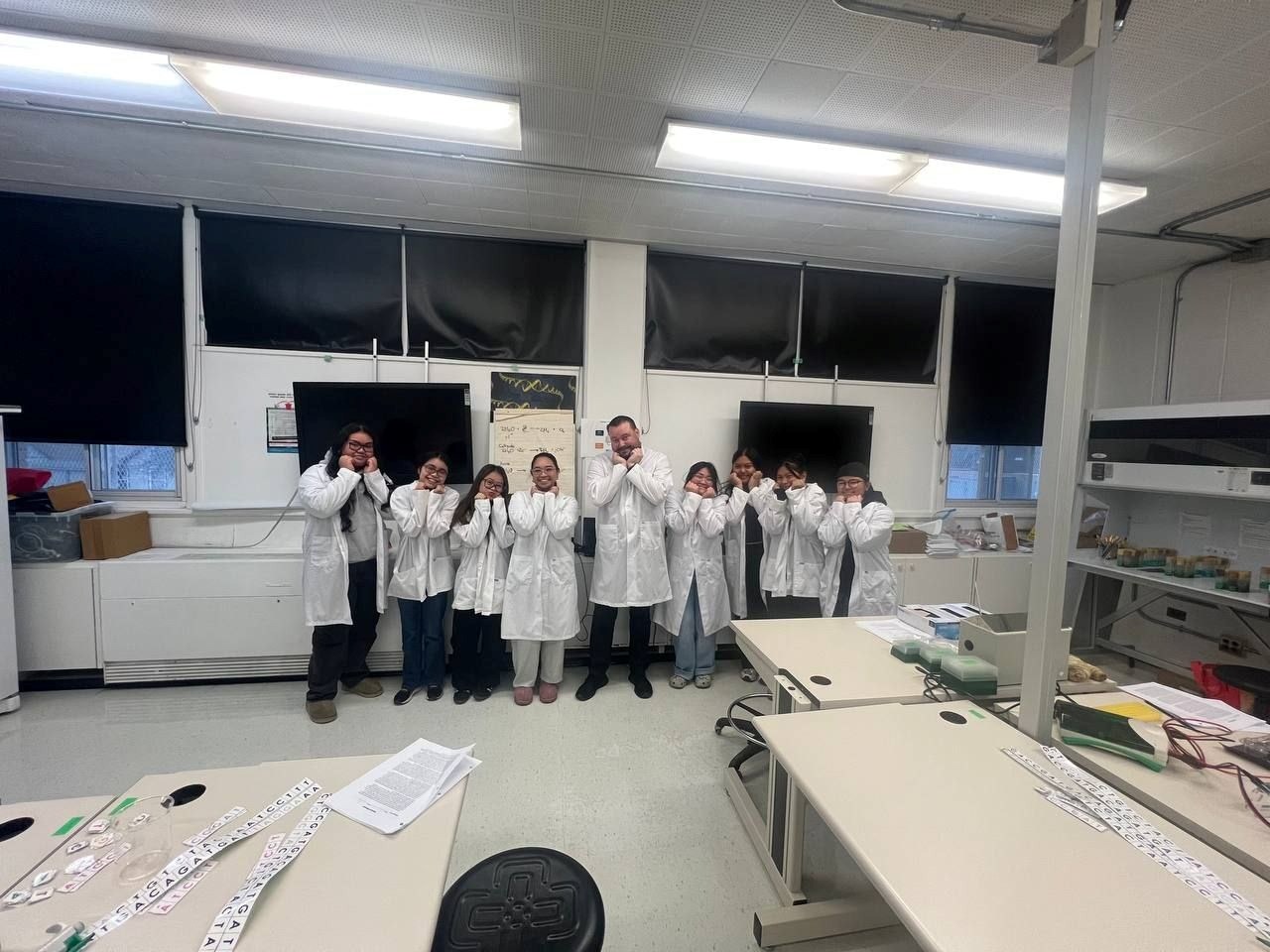
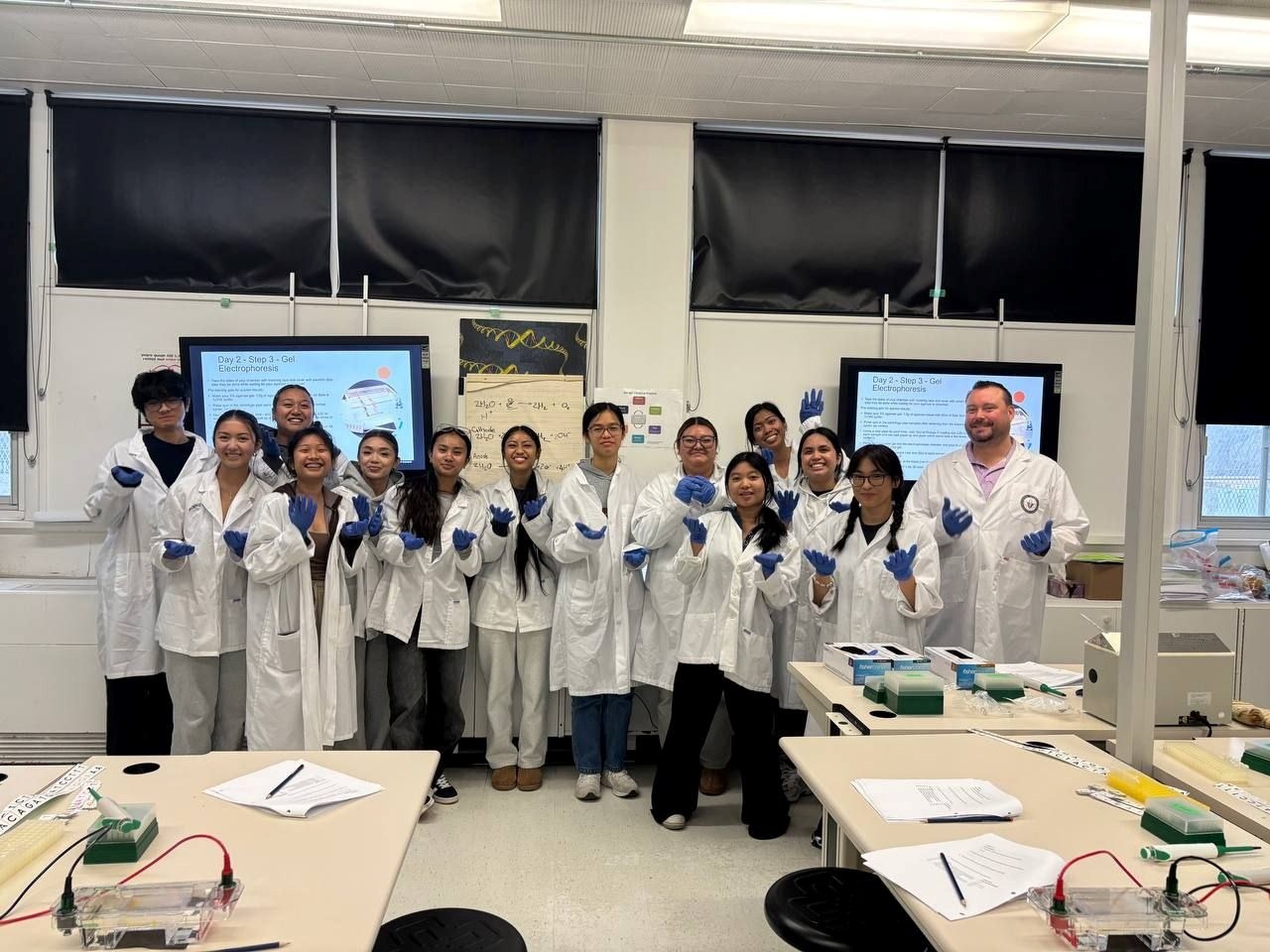
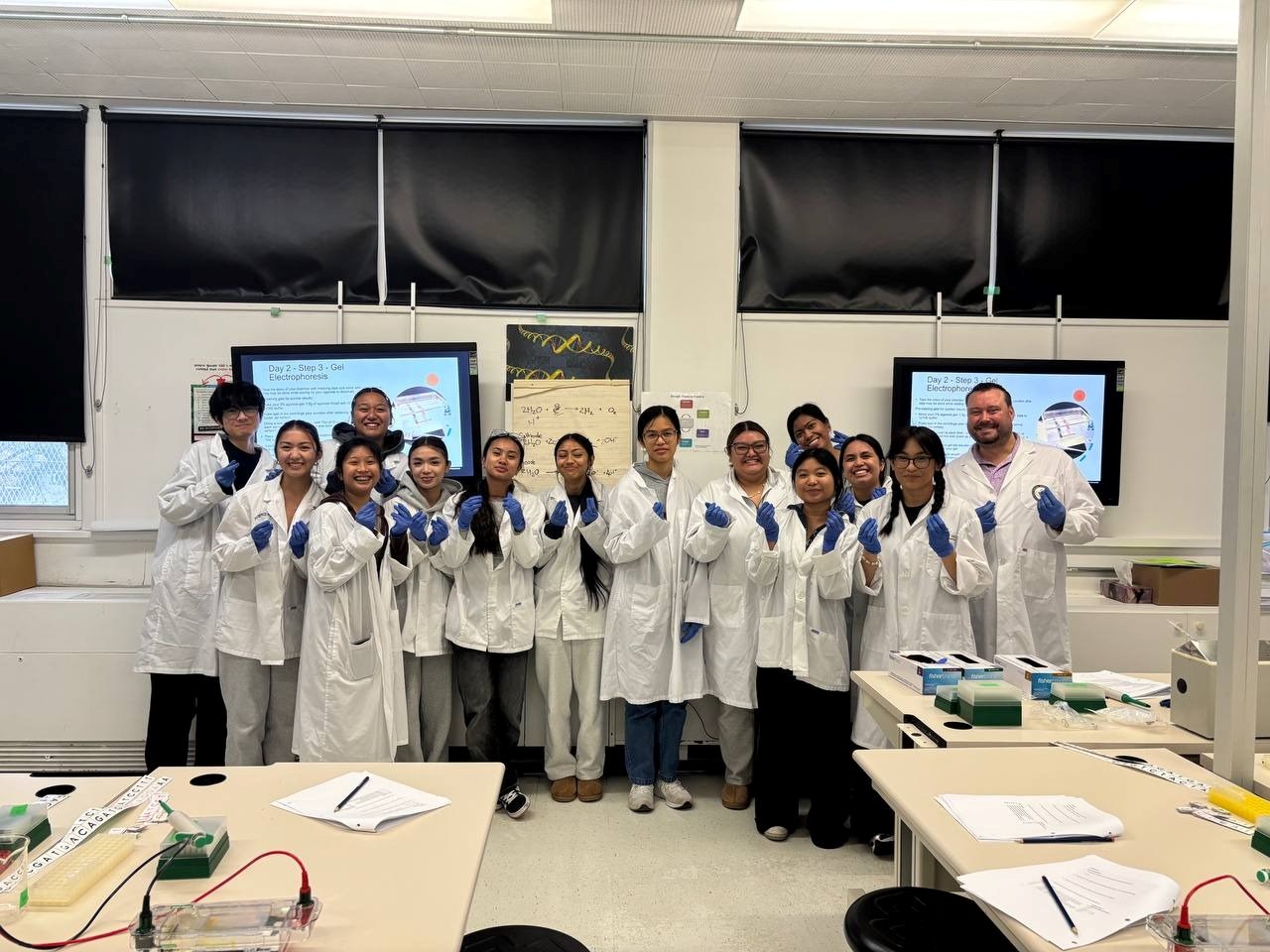
From November 3-6, DMCI’s Grade 12 Medical class spent their afternoons at the Inner City Science Center at Niji Mahkwa School. The students learned about Genetically Modified Organisms (GMO), Polymerase Chain Reaction (PCR) and DNA Electrophoresis in relation to food.
According to the National Library of Medicine, oats maintain a basic chromosome number of 7. Due to its genome complexity, this makes it both hard and costly to genetically modify (GM) oats (National Library of Medicine, para. 1). Combined with the decline of oat popularity over the years, companies choose not to modify oats in favour of popular, more profitable crops (ex: corn and wheat). This means that oats around the world, including Canada, aren't GM, making it a good crop to compare the DNA of other possibly modified foods.
Through comparing potato chips to oats, students gained an understanding of the methods used to test for GMO. As a result, students gained valuable skills on pipetting and gel molds, and acquired insight on the process of testing genes using an imaging system.
Overall, the GMO lab provided students with a fun and educational learning experience. It gave an important lesson on being mindful about the food we consume.
Written by DMCI Spotlight