


WSD’s Audiology Program: Supporting Students to Thrive
February 12, 2026 News Story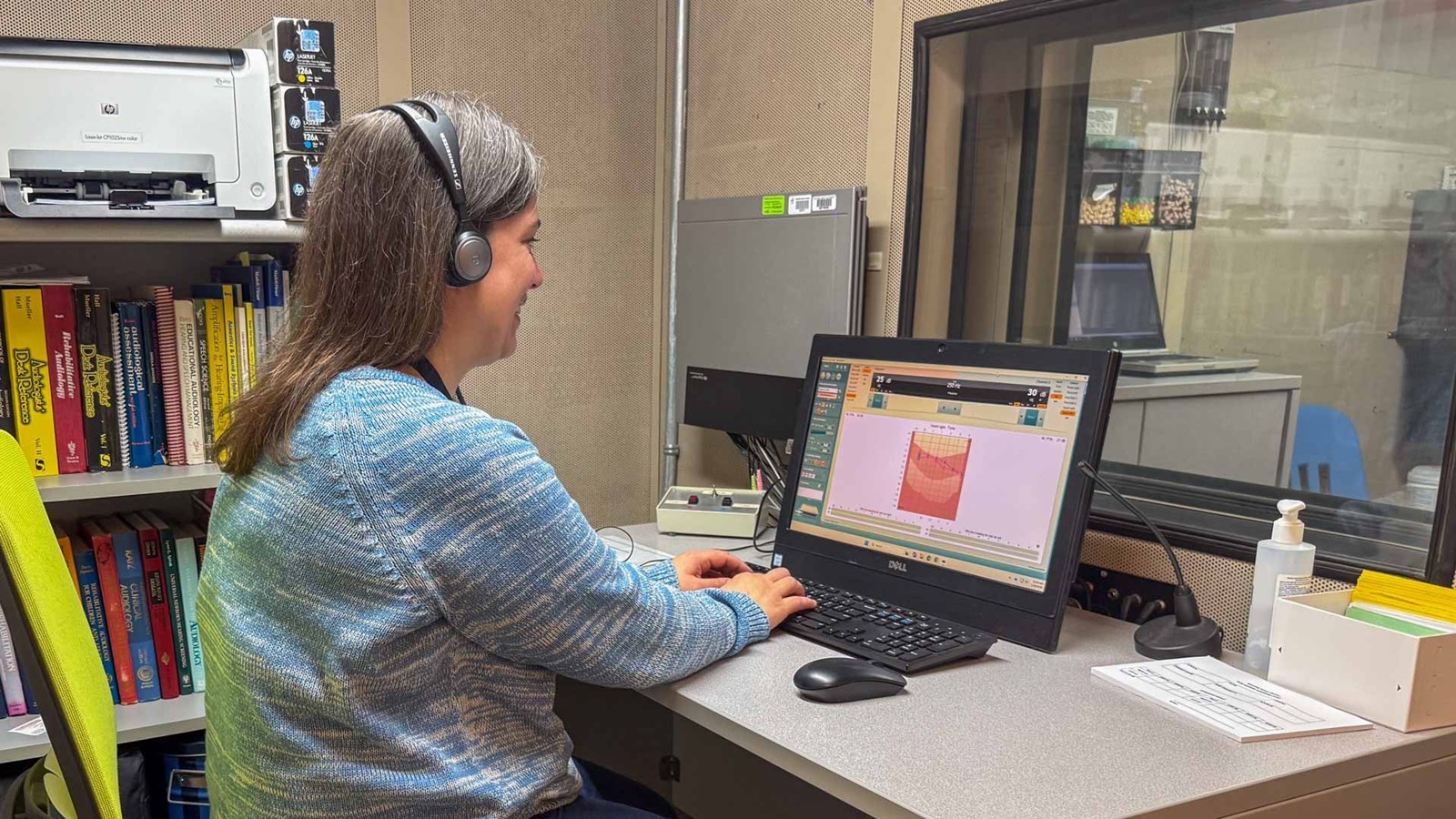
Schools are often the first place where children build a sense of belonging, but when challenges such as hearing loss go unnoticed, taking part in class can become difficult. WSD’s Audiology Department plays a key role in supporting learners. This includes hearing screening, early identification of concerns, follow-up assessments, and equipping families and teachers with the tools students need to thrive.
The Screening Process
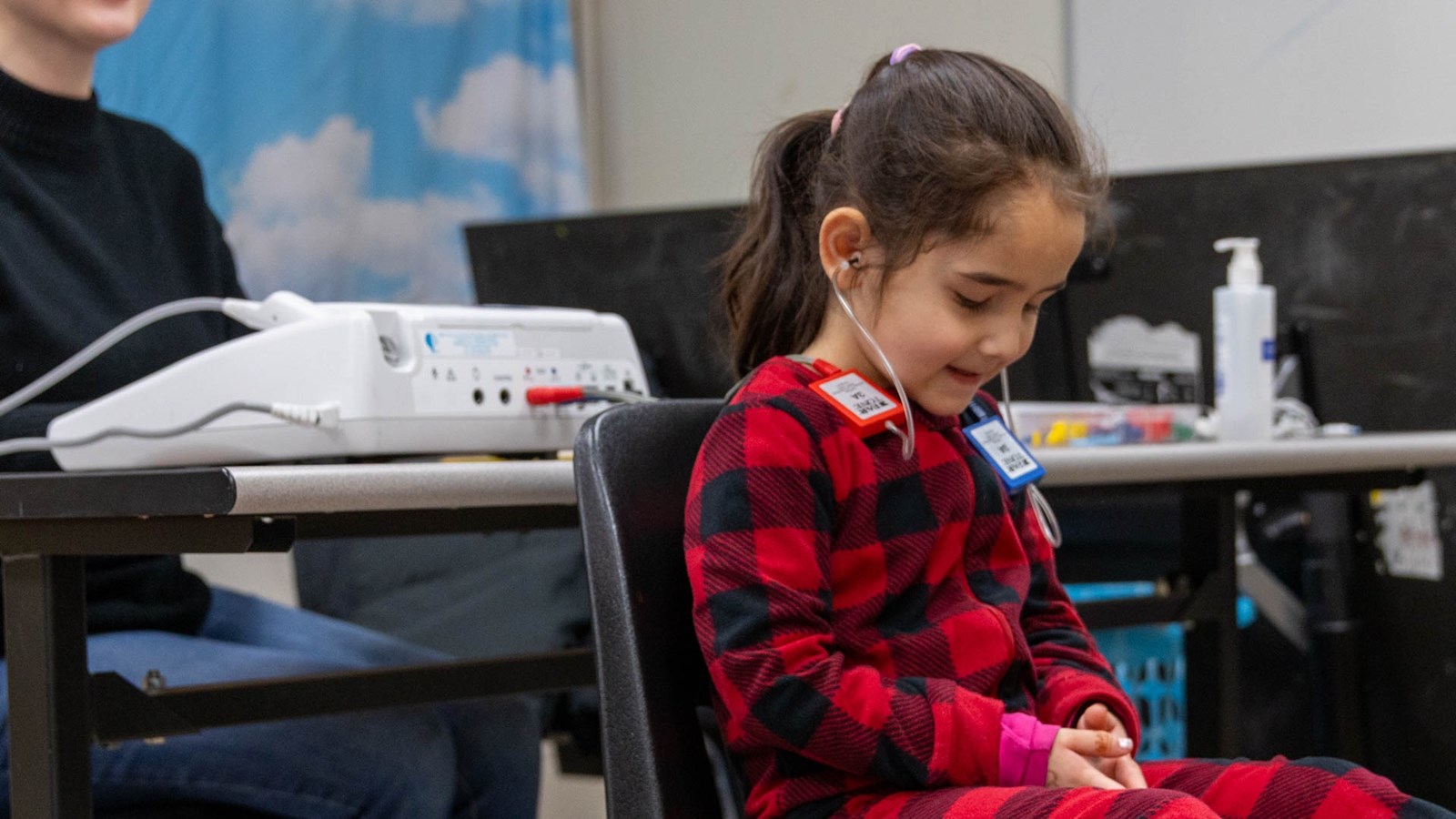 WSD’s Audiology Department provides hearing screenings across schools.The process begins long before a student visits the division's audiology offices. “The way our hearing screening program works is that the initial screening is done by someone at the school,” explains audiologist Jerry-Lee McKay, who has been with WSD since 2008. “If a child doesn’t pass, Ashley Finlay, our audiometric technician does a more detailed assessment and brings the results back.”
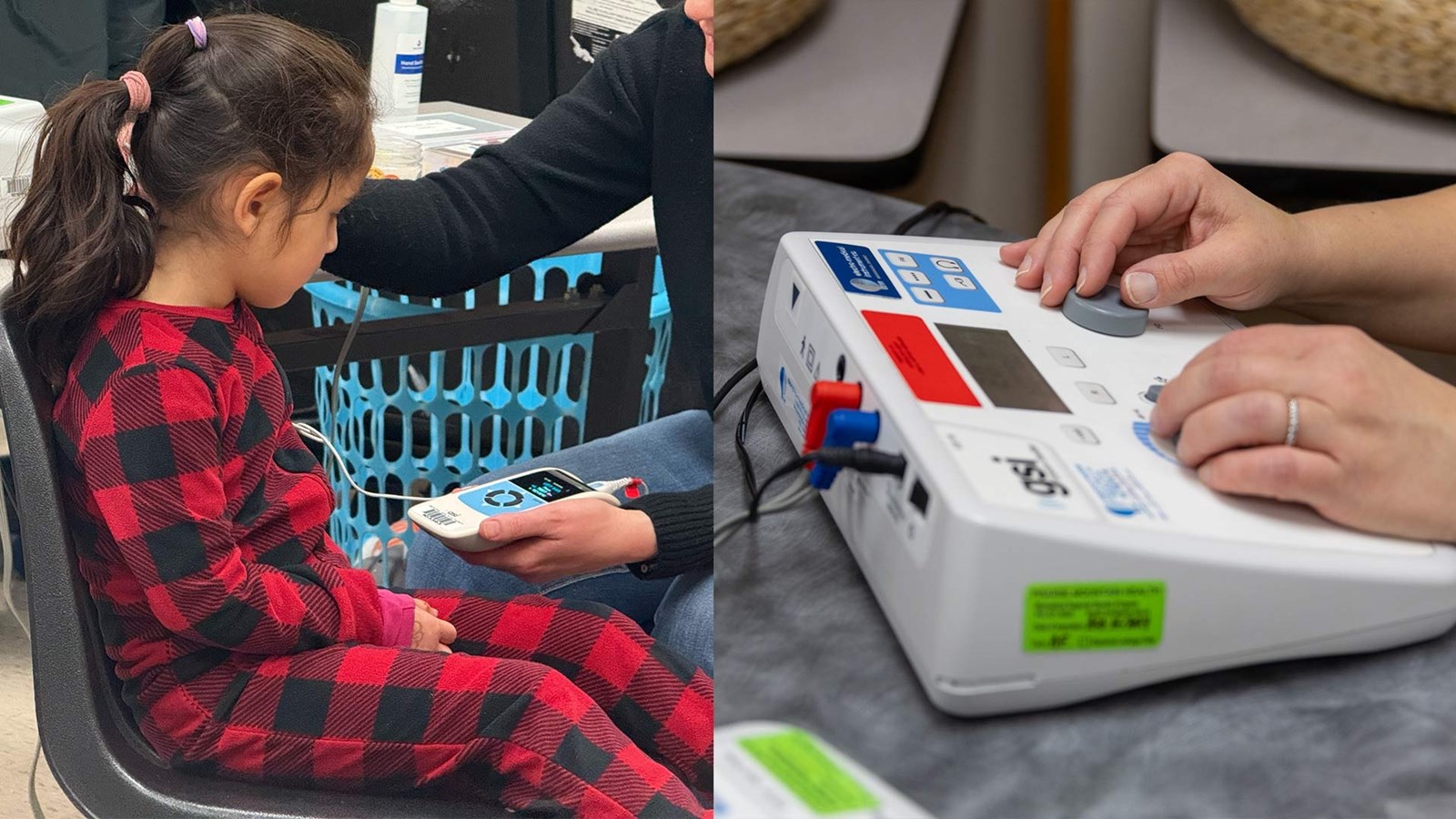 When required, the department’s audiometry technician conducts detailed hearing screenings.
If a permanent concern is identified, the audiology department works closely with families and the school to make sure each child’s needs are understood, explains Christy Mackey, audiologist with the division since 2023.
Follow-up assessments help determine the type and degree of hearing loss. “Hearing isn’t all or nothing,” reminds McKay. A child might hear low-pitched sounds but miss the higher-pitched ones that make speech clear. They often rely on context to keep up, which can make them seem less engaged even as they actively process the information.
The department is also supported by clerk Chelsea Reyes, who helps manage administrative work connected to the team’s caseload. In the 2024–25 school year, the department screened over 4,400 students.
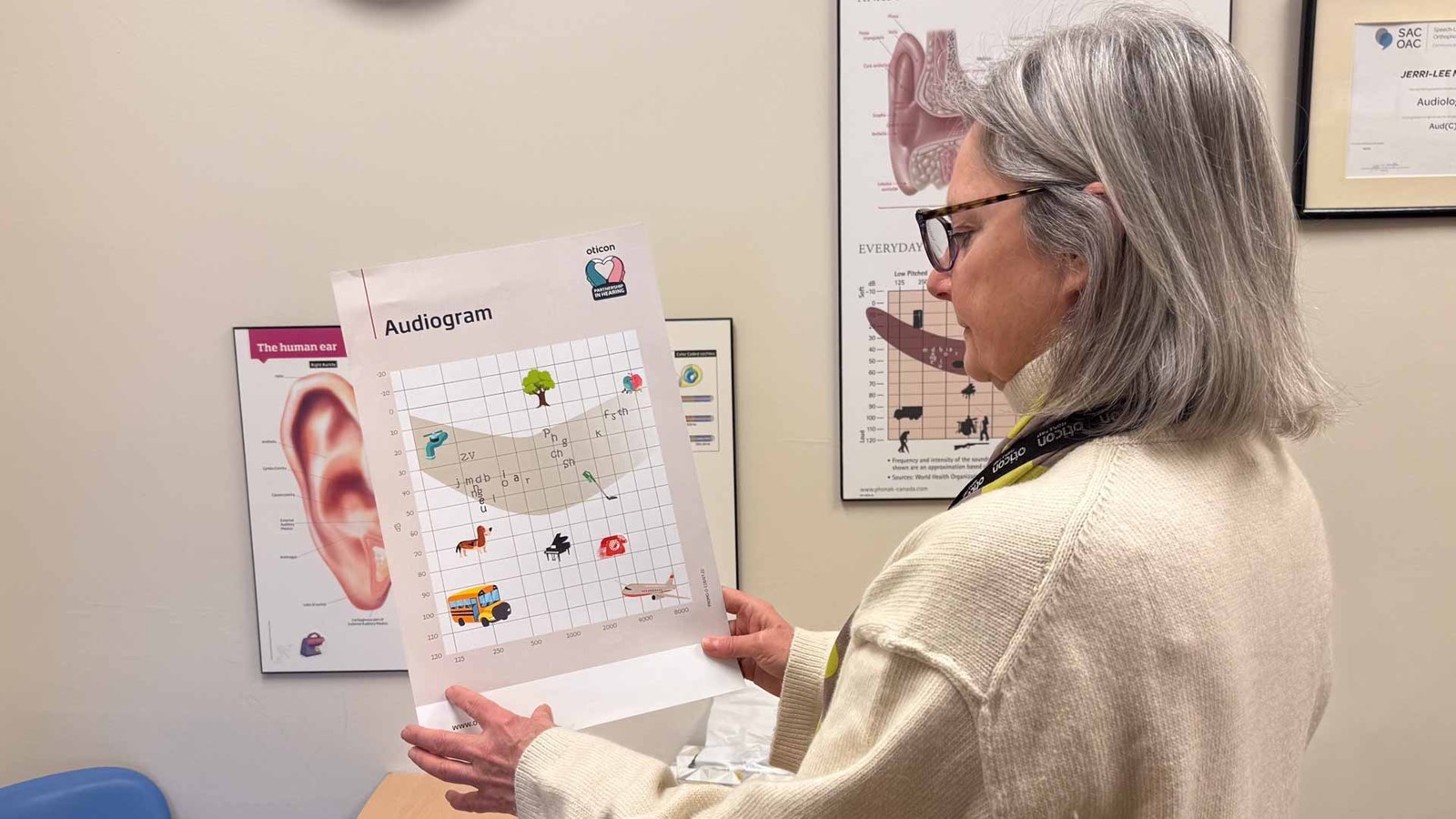 Outside of the screening program, the department supports about 500-600 students every school year.The Support That Follows
After a diagnosis is made, students may receive hearing aids, classroom technology such as sound field or personal FM systems to hear the teacher more clearly, along with other accommodations.
Families are guided in using these devices and supported as they learn what the diagnosis means for everyday life. That’s has been the experience of Kati, a teacher and parent in the division, whose son Luke was identified with hearing loss through the department's screening program four years ago. She highlights the support her family received from the very beginning. “Jerri-Lee took the time to explain each step of the process in a way our seven-year-old could understand, which eased his anxiety,” she says.
Over the years, the department has helped Luke when he’s outgrown an ear mold, needed replacements or adjustments, and ensured teachers understand what he needs to succeed. “Their ongoing support has made a meaningful difference in his educational experience and confidence,” she adds.
For Luke, the visits are positive, too. “Jerri-Lee has helped me a lot with my hearing aids. Even when I lost one (they’re really tiny!), she helped me get a new one fast. My favourite part is the hearing test because I press the button every time I hear a sound, it feels like a game. She always makes it fun.” With continued care and collaboration, students like Luke are supported to move forward with confidence.
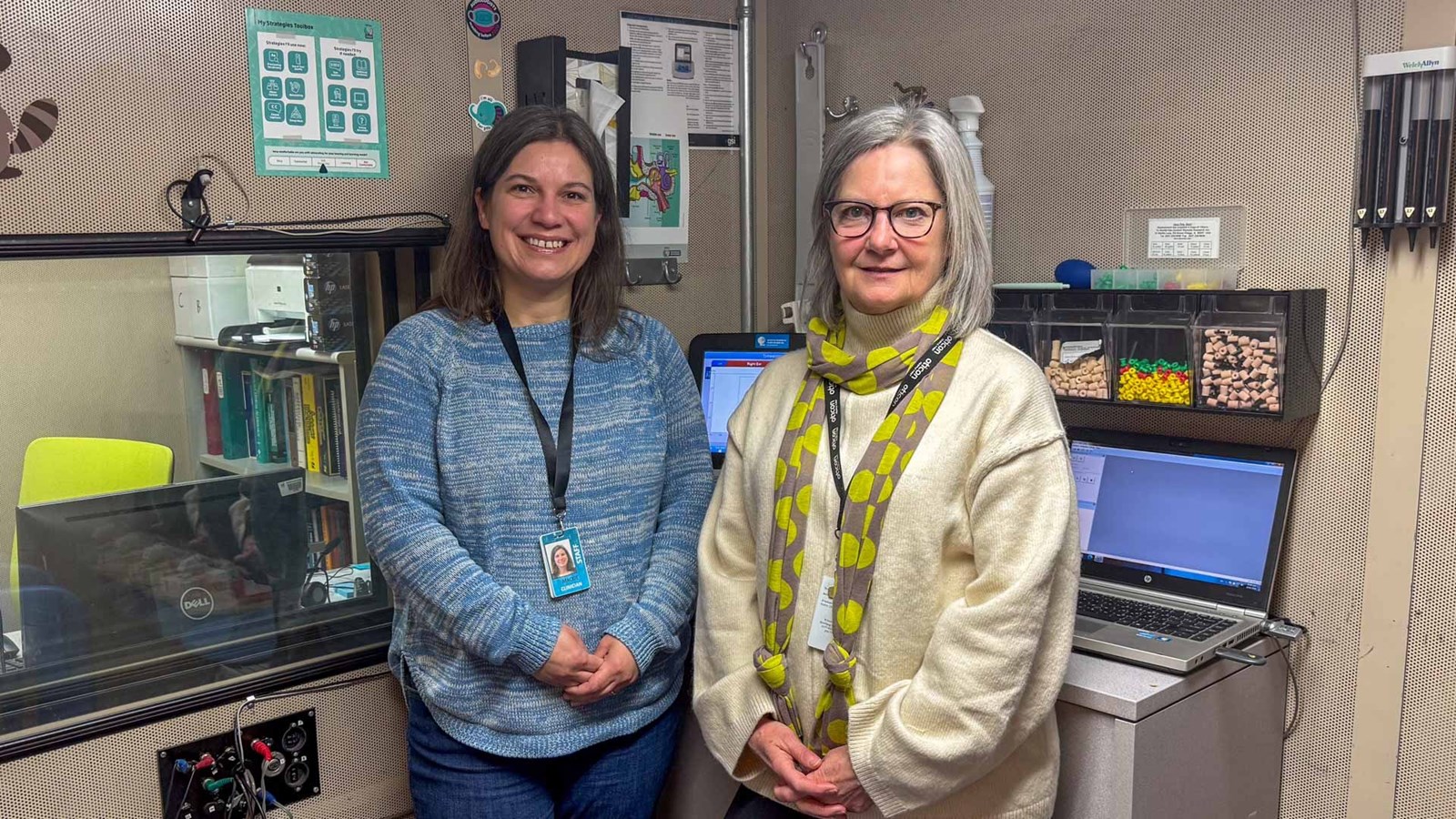 Christy Mackey (right) and Jerri-Lee McKay (left). WSD Audiology Department.
Real Situations That Inspire and Expand the Program
As the student population evolves, so does the program. McKay recalls how a teenage newcomer student had spent two years in an EAL classroom but wasn’t developing English. A concerned teacher reached out to the department, and after a screening, it was discovered that “he had no ear canals on either side; he had a moderately severe hearing loss in both ears and couldn’t hear speech,” she says.
This experience highlighted the need of a newcomer hearing screening program, ensuring that WSD students who arrive to Canada are assessed and any potential barriers to learning are addressed proactively.
Using specialized equipment and software, they can conduct detailed assessments to identify the level of hearing loss.How Early Screening Makes a Difference
A hearing diagnosis isn’t a setback, it’s an opportunity. “I think of it as a piece of the puzzle,” says Mackey. “It can feel overwhelming at first, but a diagnosis or treatment gives kids the chance to move forward.”
“You wouldn’t expect a student who uses glasses to read without them,” adds McKay. “Hearing aids are similar; they help students access learning.”
WSD’s Audiology Department supports students every step of the way. One screening at a time, students are identified early, equipped with the right tools, and set up for success.