Ambitious Strathcona film project explores Indigenous water issues
May 16, 2023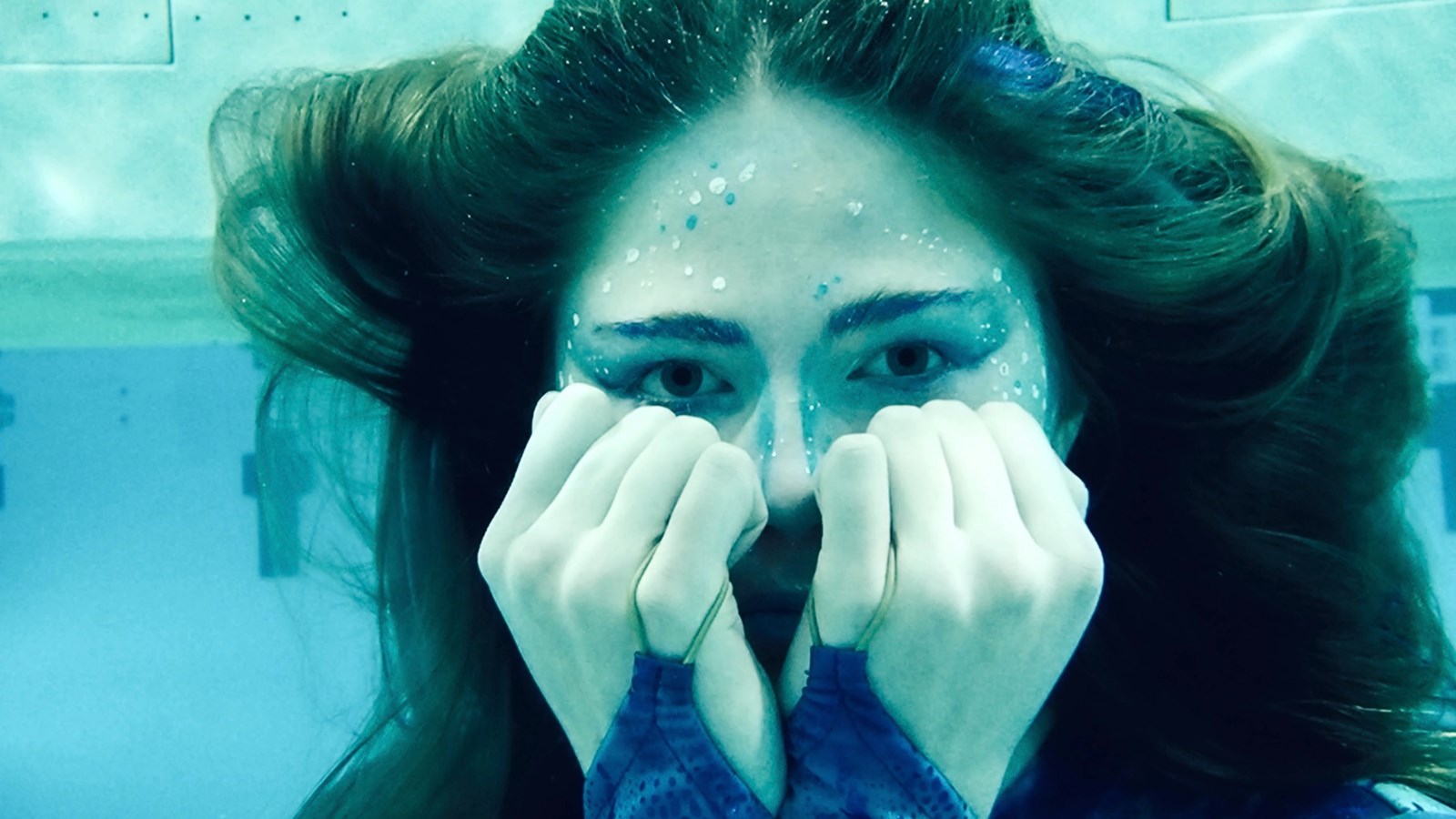
Educators and students at Strathcona School are using the medium of film to explore a major issue affecting Indigenous populations in Canada today: water rights.
While Canada is perhaps one of the most water-rich nations in the world, there are Indigenous communities in Canada that still do not have access to safe, clean drinking water.
“We wanted to capture people’s attention,” said Strathcona teacher Peter Grozdanovic. “And we thought the best way to do that was through story. The whole point of these films is to invite conversation and inspire action.”
Strathcona is exploring this complex issue with a major film project that is teaching Indigenous Education through Project-Based Learning. The multicurricular project is addressing learning goals in social studies, STEAM, visual and performance arts, land-based teaching and Indigenous education.
For this year’s project, the topic of water became an obvious choice.
“I think Water really spoke to us—the Indigenous perspectives around water, the inaccessibility of clean drinking water in communities around the country and the global issues of access to water,” Mr. Hewitt said. “When you look at the tenets of project-based learning, we’re looking at issues that are hyper-local and important to us, something that gives opportunity for activism in the local community, and something that ties to larger, global issues. And this topic hits all of those areas.”
Mr. Grozdanovic, fellow Strathcona teacher Robert Hewitt, Literacy and Indigenous support teacher Tavia Nelson and WSD STEAM Support Teacher Adam Charbonneau led the year-long learning project. After undertaking a similar film project on Reconciliation last school year, the school planned an even more ambitious film.
“We are on a multiyear journey with project-based learning,” Mr. Hewitt said. “Last year, Peter jumped in with both feet and made some phenomenal videos on Reconciliation in a half-year project. This year we wanted to do something similar, but grow from the experiences of the last year’s videos and undertake an even larger project.”
Filming underwater
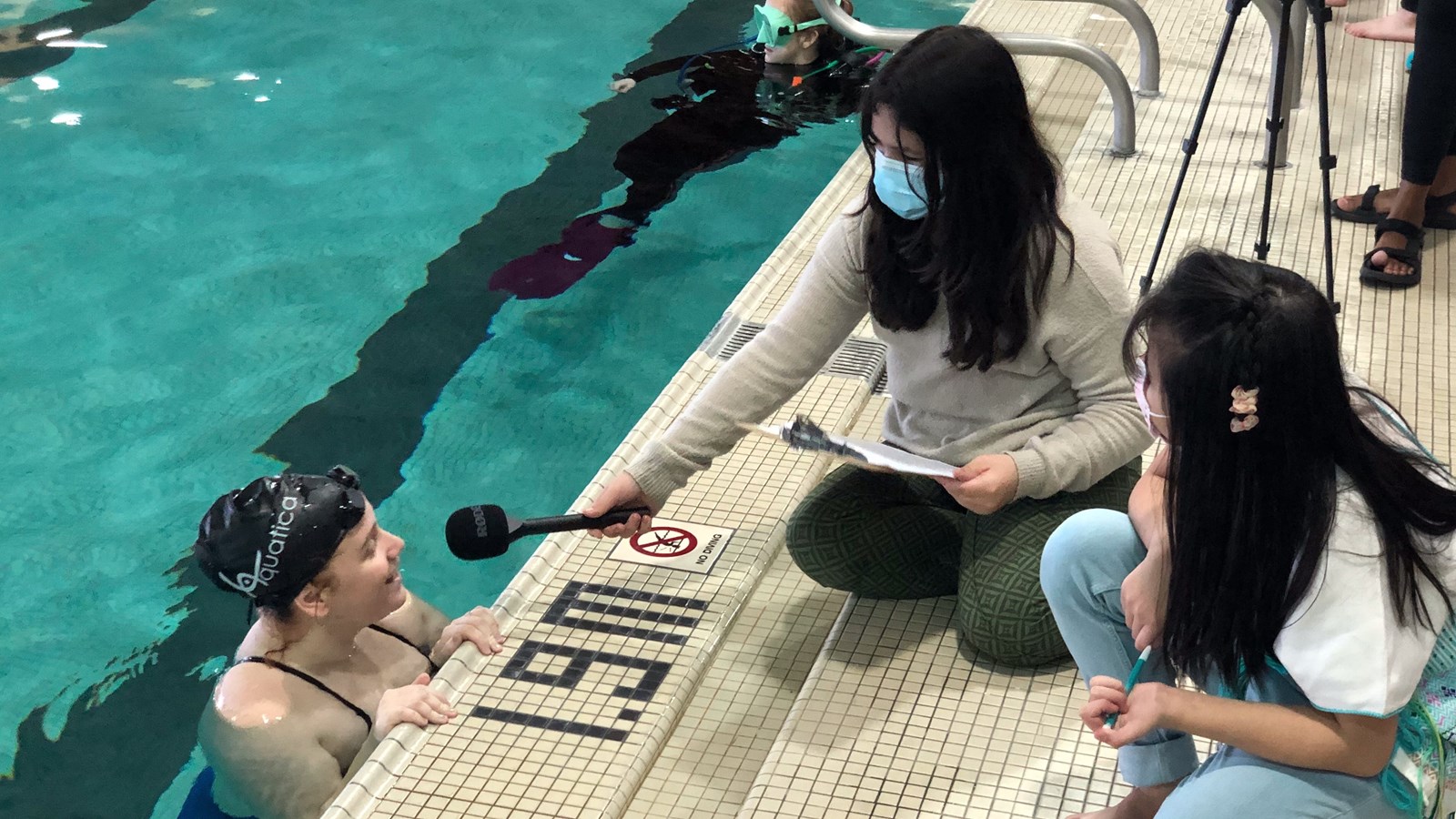
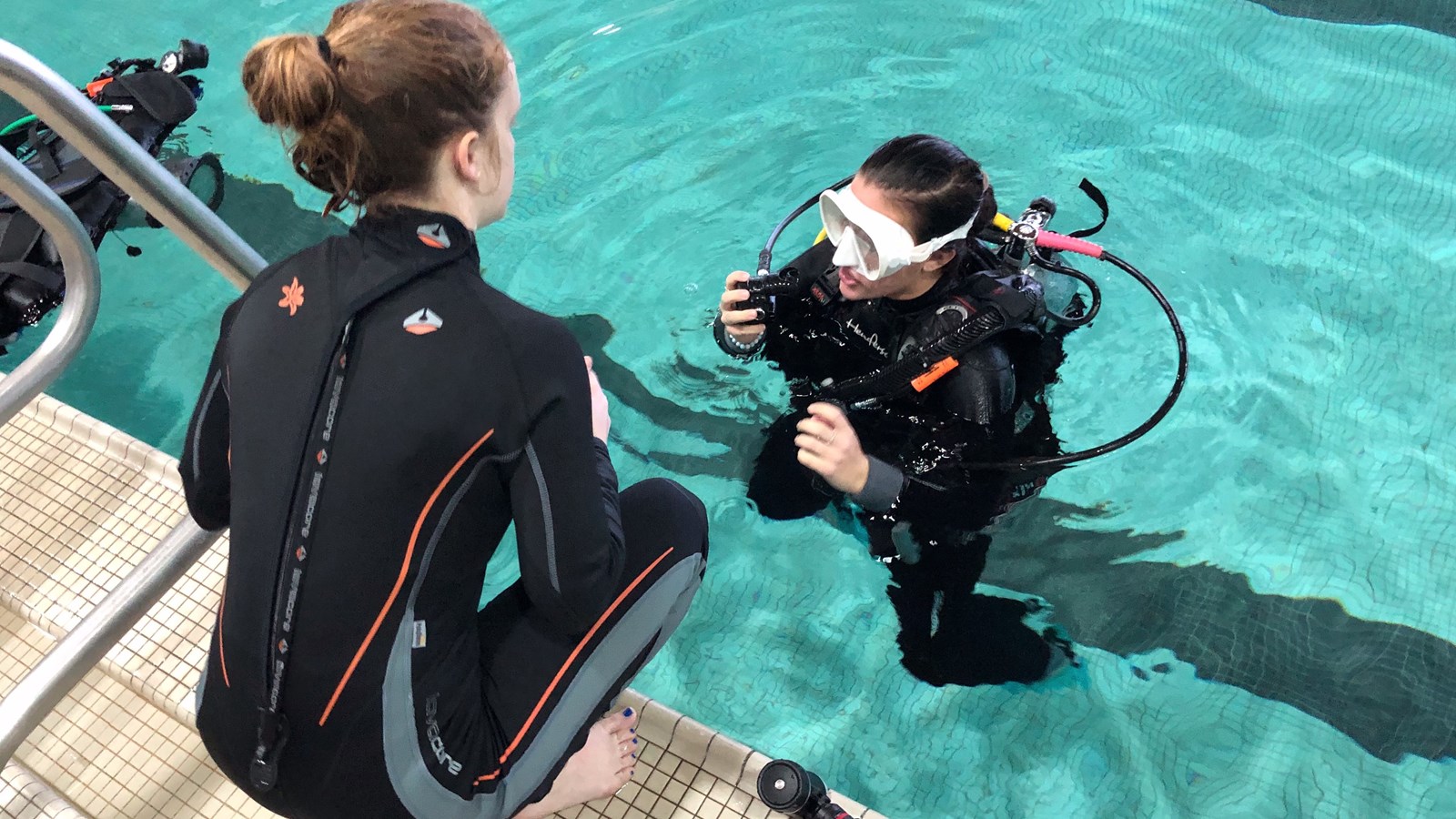
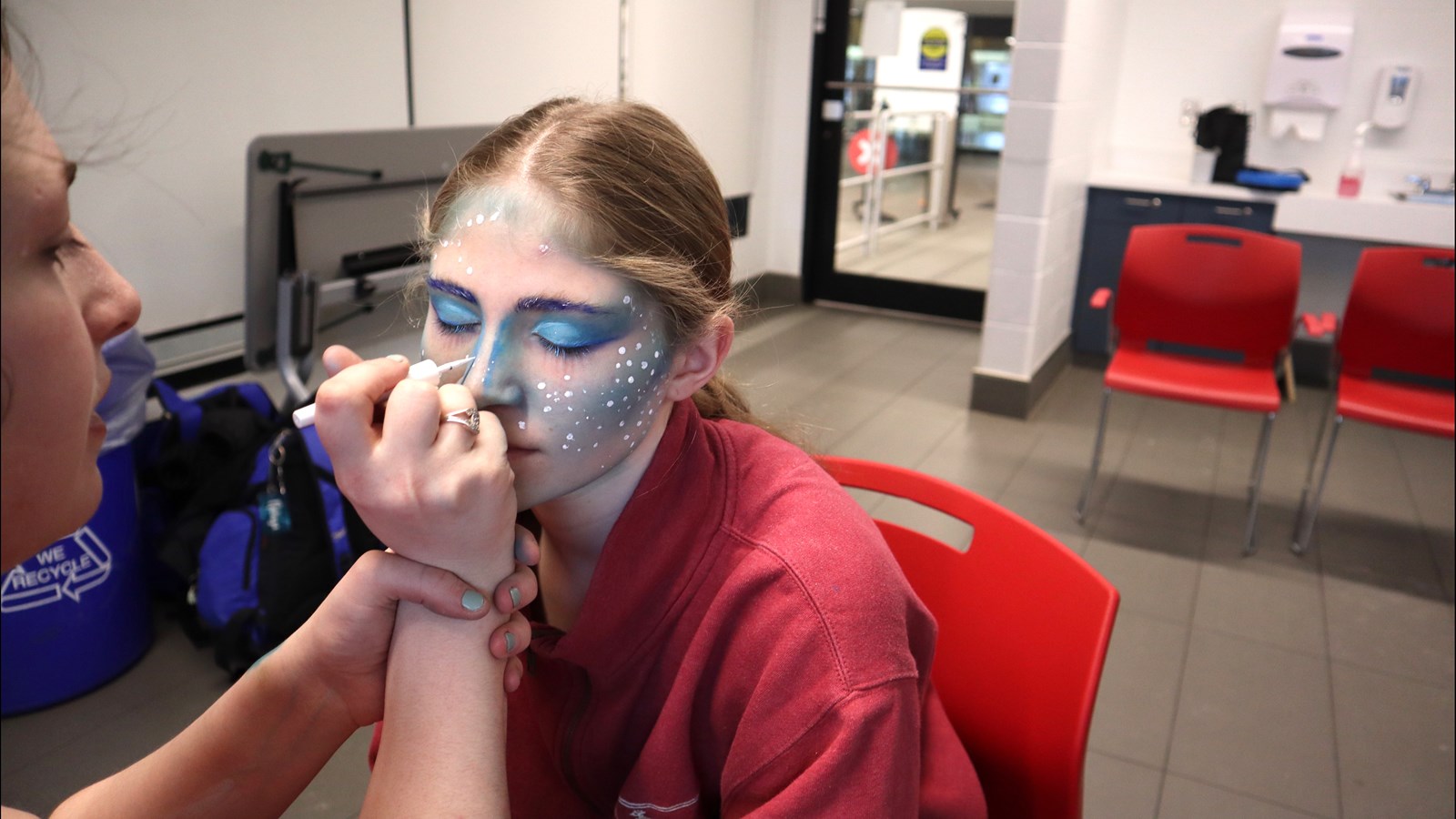
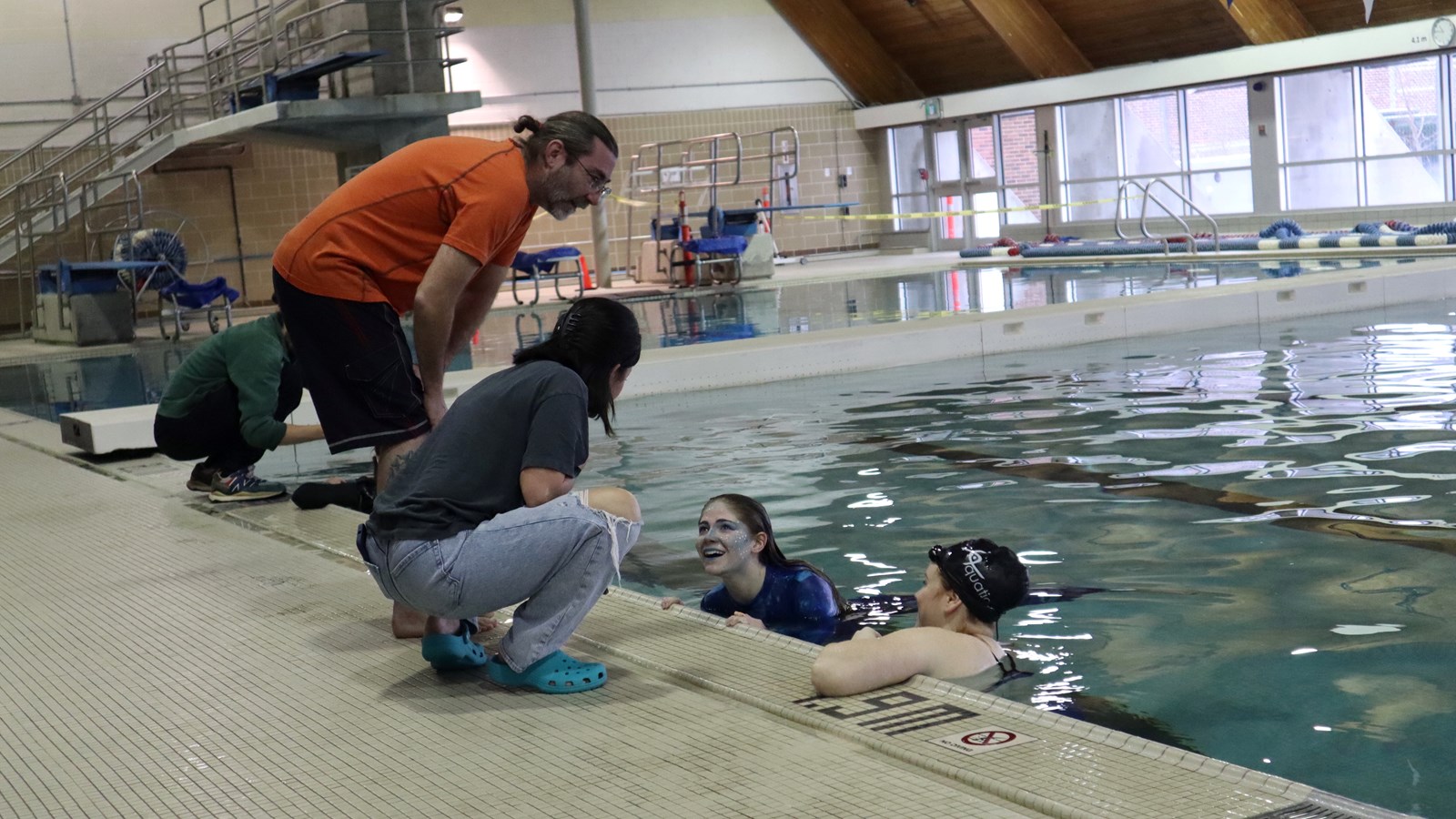
The creative video features a concept of a water spirit, as well as a black snake character that represents pollution and water mismanagement. For the water spirit scenes, the educators enlisted a local synchronized swimmer and filmed the scenes at Seven Oaks Pool on December 11. The school connected with Aquatica Synchro and a local choreographer to realize the intricate scene.
“This scene, Scene 9, was the most complex thing we have ever done. We did the shooting underwater,” Mr. Grozdanovic said. “Mr. Hewitt is a certified lifeguard; we have been in contact with divers and we met with Diver City Scuba and they provided underwater cameras and lighting for this. They have been fantastic. We also had a choreographer and an acting coach to work with our swimmer, so it’s pretty bold.”
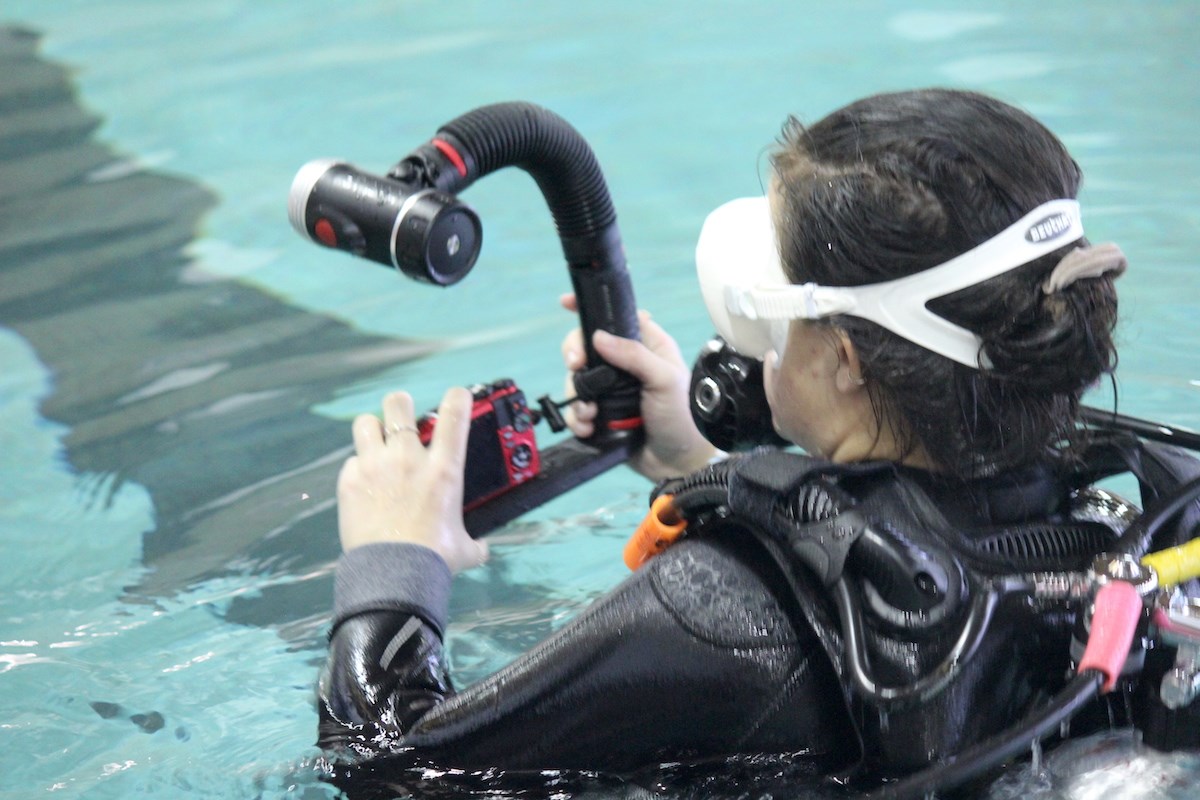 Students and staff in Sisler High School’s CREATE program have helped with post-production and VFX.
“Project-based learning’s major tenet is connecting with the community and collaboration, so we are really pushing ourselves out there,” Mr. Hewitt said.
Traditional elements
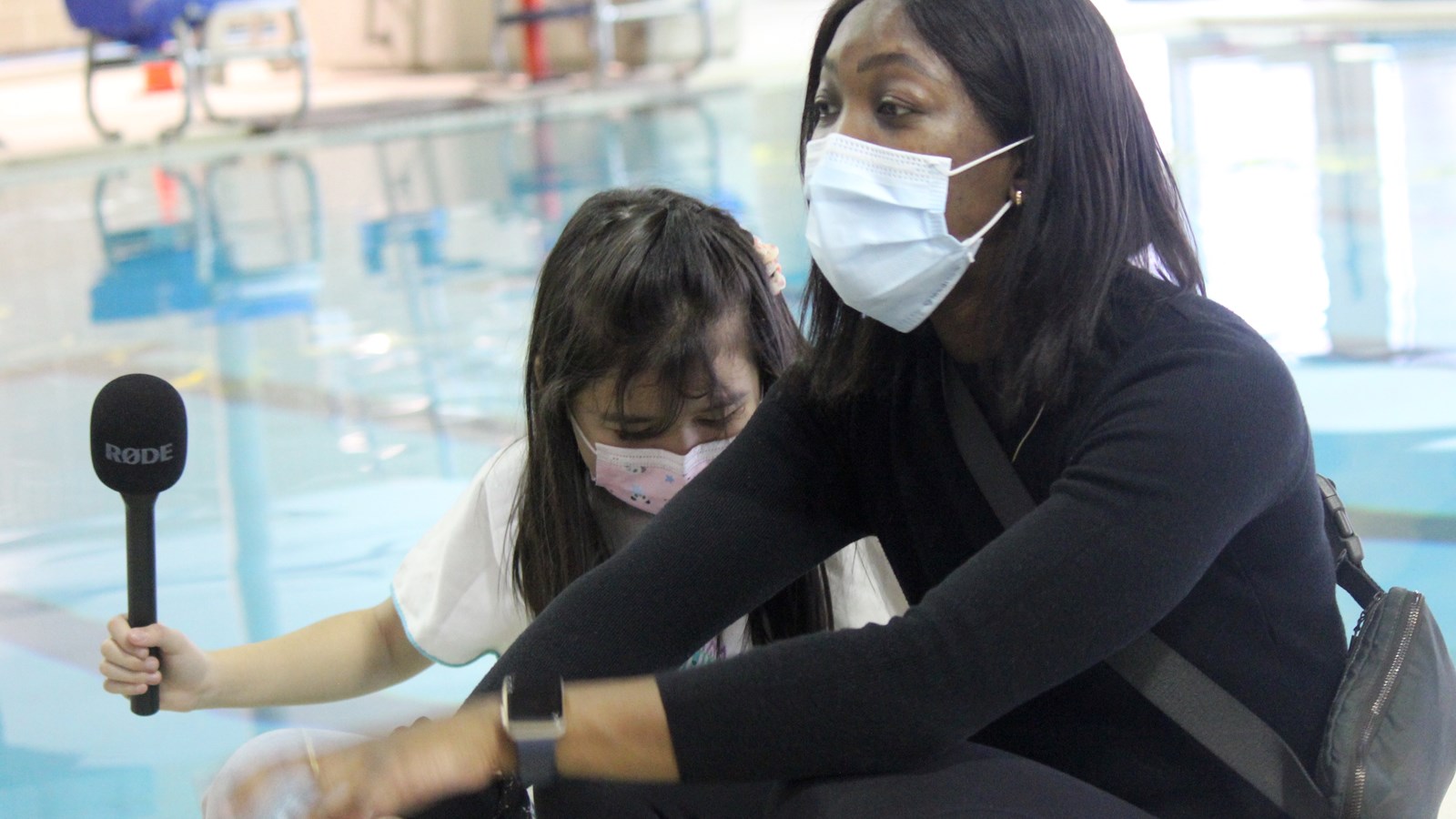
In the classroom, students have been learning about water issues, human rights and the work of young activist Autumn Peltier. Students will also be working on costuming and acting in several scenes of the film, and will be involved with all production aspects. Along with the creative concept video, students will be filming a documentary of the process at the same time.
“All of this has to be driven by our students. Whether they are acting within the film, researching or creating costumes and props, nothing proceeds without their involvement,” Mr. Grozdanovic said.
“For example, we have a segment of the film that goes back in time, to show how Indigenous people lived in harmony with the land. Students studies what life was like pre-contact and then they will be acting that out, in professional costumes, in front of a green screen.”
Literacy and Indigenous support teacher Tavia Nelson worked with students to explore traditional Indigenous connections to land and water, and introduced cultural components such as medicine bags.
“It’s wonderful that there is the main focus on water, but there are many branchpoint opportunities to bring in our knowledge,” she said. “We’ll be bringing in an Indigenous Peoples Atlas of Canada map to create some more visuals and discuss those tangible connections to land and water.”
Infusing STEAM
Due to the scope of the project, the teachers reached out to WSD STEAM Support Teacher Adam Charbonneau. Mr. Charbonneau taught students design thinking concepts during the project, whether that involved designing costumes or doing digital recreations of choreography.
Mr. Charbonneau said STEAM was essential for such an ambitious project.
“My role is to bring the pillars of STEAM into this project. 21st Century skills like collaboration, creative and critical thinking, communication…these are the skills that made a project like this successful,” said Mr. Charbonneau, who also has a performing arts background.
“It’s involving so many people and bringing in such a professional lens to it. There were people from the industry working at their craft and we all came together collaboratively…the students were there every step of the way, not only documenting, but always nudging the process along and making sure their voices, their way of seeing and expressing themselves, was a part of this as much as possible.”
He said the students learned lifelong skills during the project.
“The amount of foundational learning took place in this year, will continue into the next year and the year after that…you can only imagine the benefits the students get from a project like this. It is going to change them forever.”
The Strathcona educators are also creating a project manual for their fellow educators.
“It will be a deep-dive into our process and a road map for educators who may be inspired and want to do something similar,” Mr. Hewitt said. “The title of the project is Walking the Path Together, and the idea is that we are sharing knowledge and building together.”
The school also plans to connect with a Manitoba Indigenous community that is experiencing water issues and advocate on their behalf.
“We have newcomers who have come from different countries that have had water issues, and we have students who have been to the first nations and are talking about the water having a sticky feeling…this is something that is meaningful to them and motivates them to take action,” Mr. Grozdanovic said.
Strathcona Principal Jeremy Midford said the project-based learning initiative was an exciting opportunity for the entire school.
“Project-based learning is such an effective and engaging method of delivering a multi-disciplinary curriculum. Indigenous Education, language arts, mathematics, science, and social studies outcomes are all being covered in this engaging and innovative project. Students are empowered when they are immersed in learning experiences that are meaningful to them, and this project has provided those conditions for our Grade 4 and 5 students at Strathcona School.”