
School Nutrition in Action: DMCI cafeteria glow-up
September 23, 2026 News Story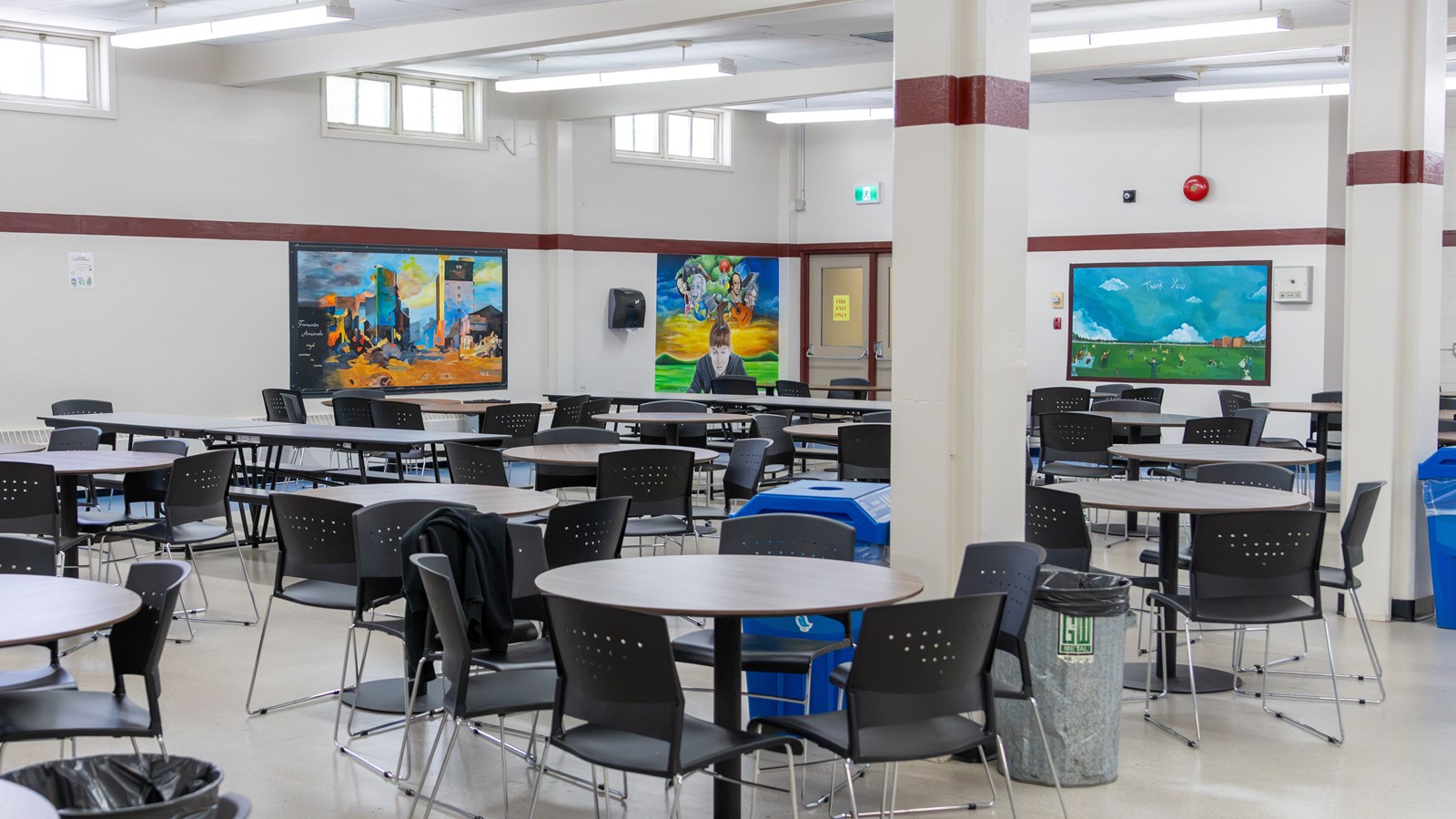
Food and school cafeterias play an important role in helping students feel ready to learn, connect, and participate in the school day. At Daniel McIntyre Collegiate Institute, the cafeteria has recently evolved into much more than a place to pick up a meal. It is a gathering space where students can now take a break between classes and build connections with one another while getting a nutritious meal. This is why its recent reopening marked an important milestone for WSD’s Nutrition Program.
Behind The Scenes of the Nutrition Program
In 2024, WSD’s Nutrition Program grew alongside the launch of the Province’s Universal School Food Program, helping ensure students across the province have access to food at no cost throughout the school year. At the heart of the program is a simple idea: students are better able to learn and participate when their bodies and brains are nourished. The Nutrition Program looks different at each school, depending on the needs of students, available space and staffing, while following guidelines set by the division and the province
At DMCI, Wanda Bateman, who has been part of the school community for over a decade, and Carl Brinez, a DCMI graduate and trained chef, are running the school’s version of the Nutrition Program.
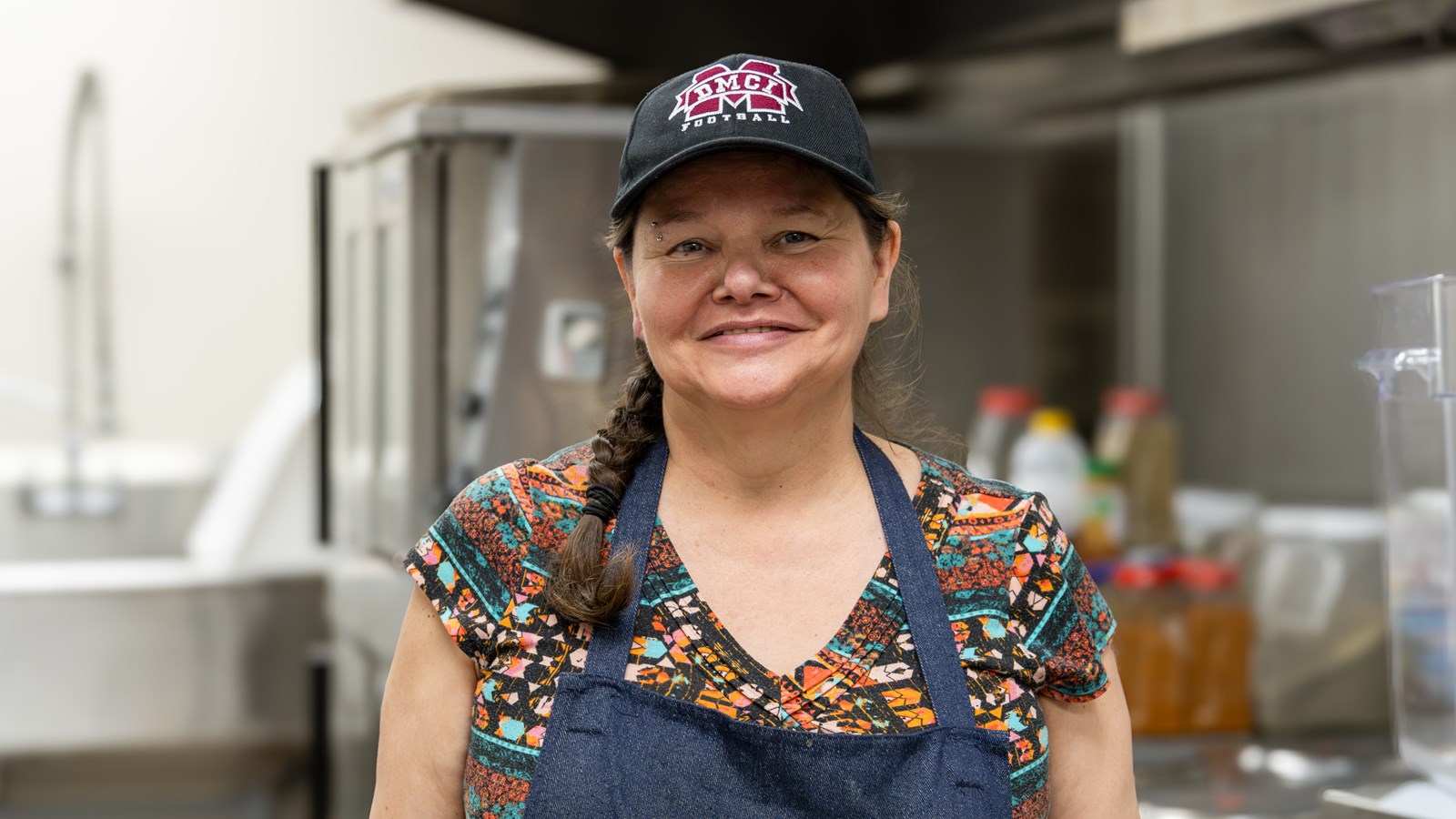

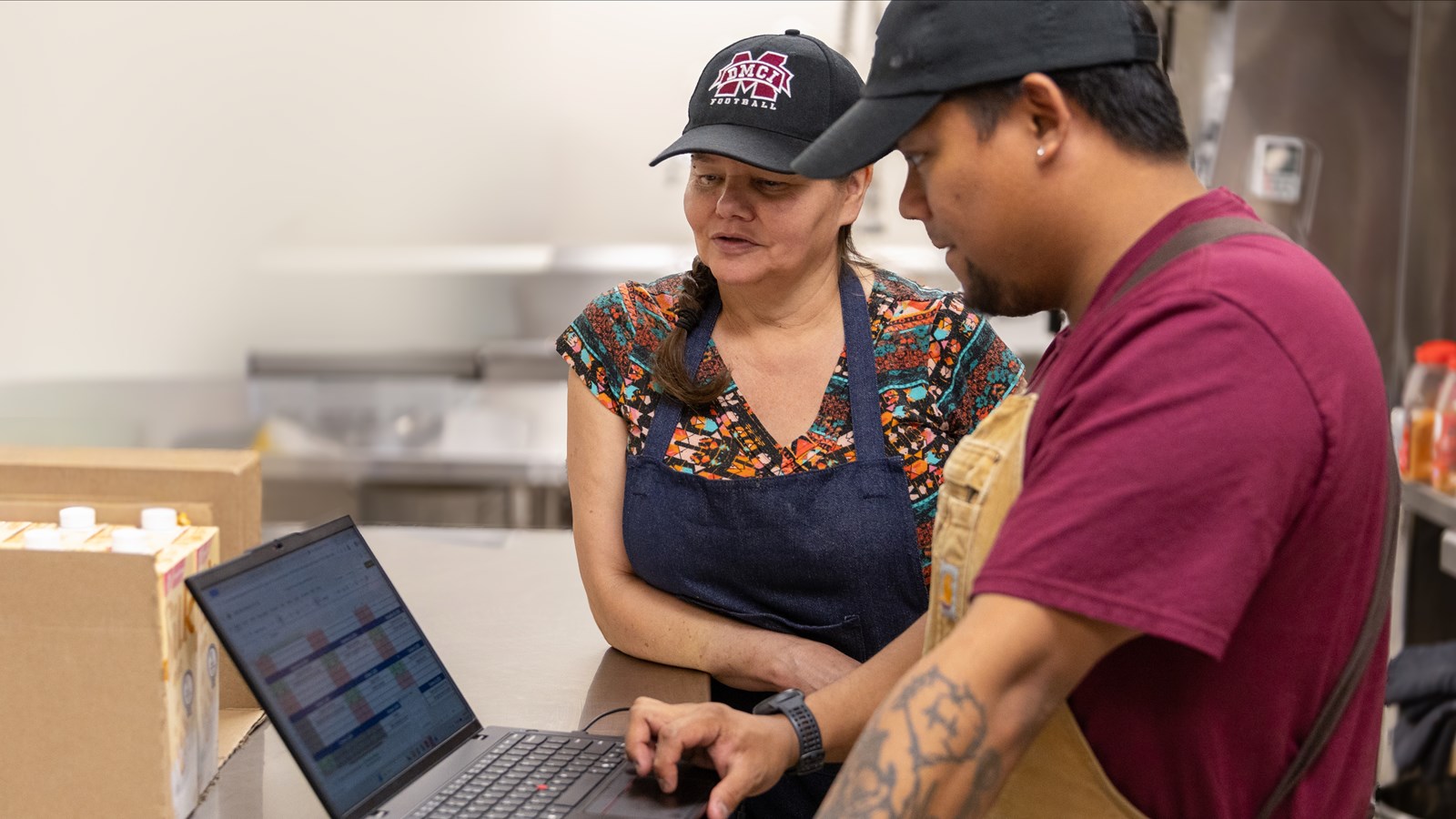
Brinez joined Bateman in late 2024 after training and working in the culinary industry. For him, returning to DMCI as a chef has brought his career back to a place that played an important role in his life. “Every corner of this school, I have a memory with. It feels like I’m just back home,” he says.
Brinez and Bateman remember crossing paths when he was a student at DMCI. As a member of the football team, he remembers the bannock that Bateman would make for the players. In their positions as Food Coordinators, they now work hand in hand to plan and prepare meals every school day.
Responding to Student Needs
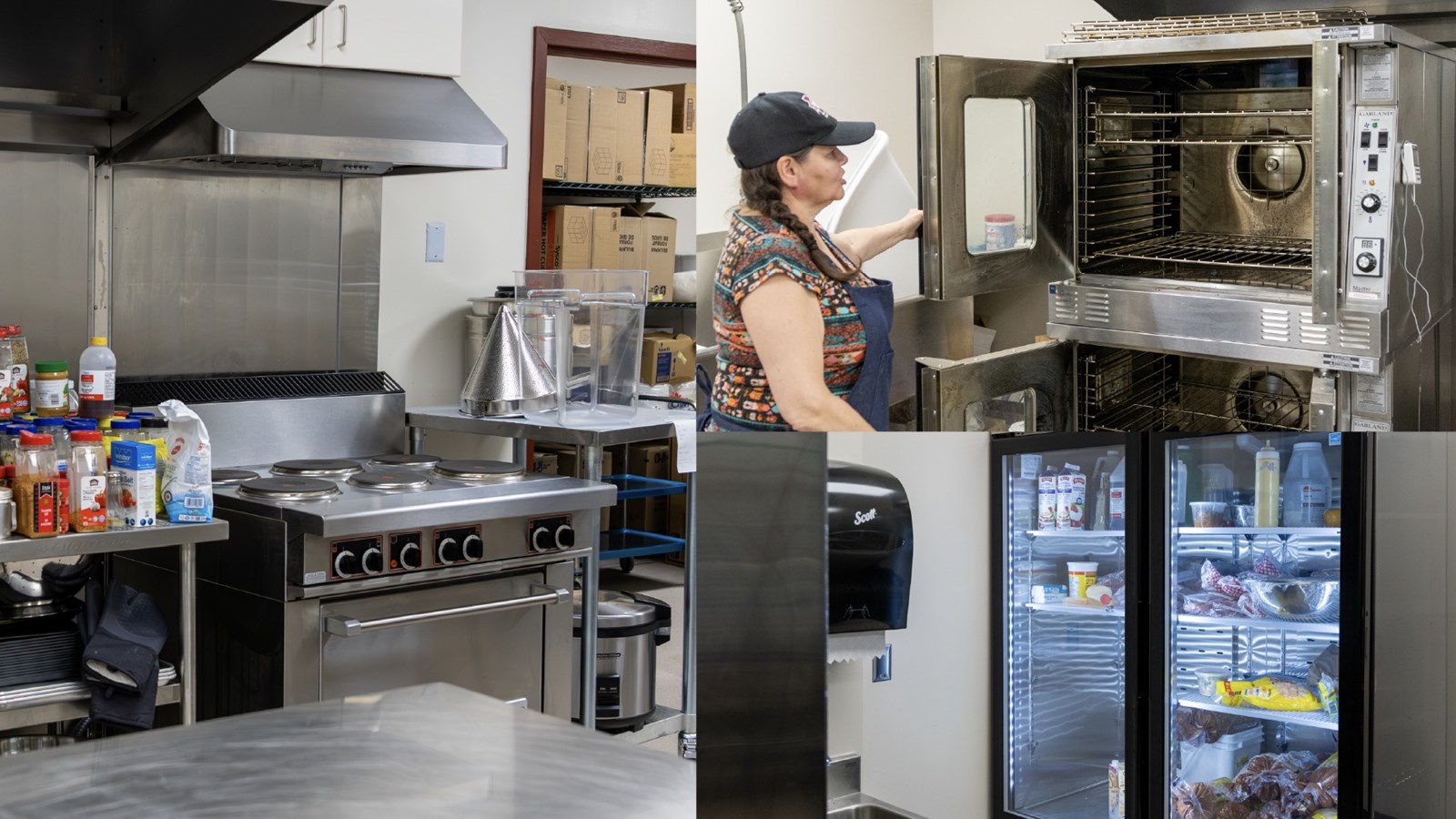
Before moving into the newly renovated cafeteria, the program operated from a small kitchen with just one stove. Despite the limited space, the team was preparing meals for approximately 300 to 350 students, creating a need for a larger, more functional kitchen.
The changes to the cafeteria were shaped in part by the students who use it every day. The Grade 12 business class looked at how the cafeteria could better serve their school community and developed a proposal. They surveyed their peers about food options, furniture, colours and the overall cafeteria experience, then worked through planning, problem solving and presentations to bring their ideas forward to WSD leadership.
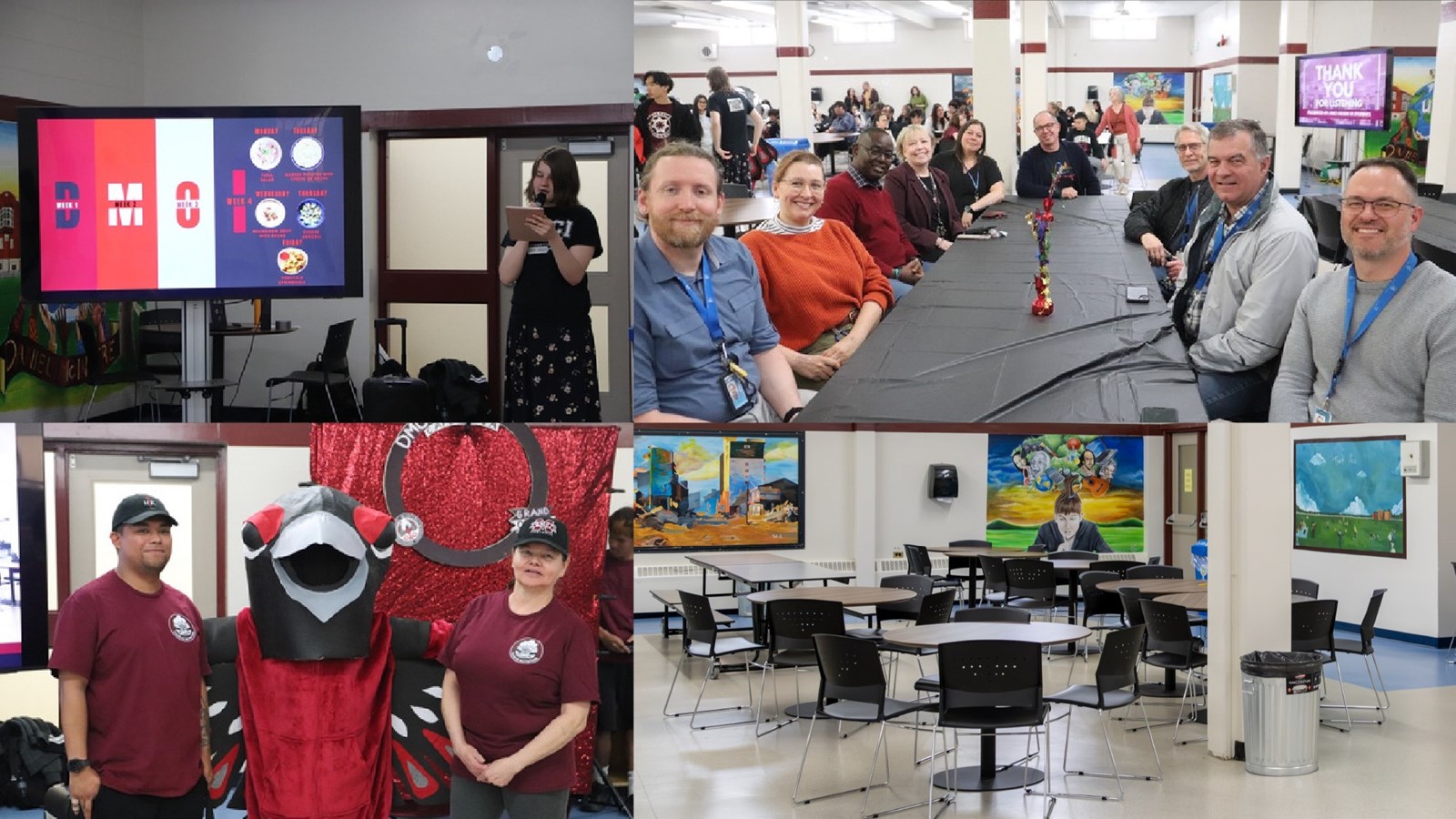
Their input can now be seen throughout the space, including the round tables that encourage students to sit and connect and the redesigned lunch line that makes it easier to move through the space.
What’s on the Menu?
The cafeteria team starts their day early, with preparations beginning around 7 a.m. as they get the ovens and dishwasher running and begin preparing lunch. While Bateman handles breakfast, Brinez works on lunch preparation. “By the time the kids come in, everything is ready,” says Bateman.
The menu reflects the diversity of students at DMCI, with meals that include different flavours and cultural influences throughout the month. Students may find dishes such as kimchi fried rice, hashbrown casserole, chili, chickpea salad, and taco salad, along with Filipino, Korean and Mediterranean-inspired dishes.
 Photo credits: Carl Brinez.
The menu is planned with Canada’s Food Guide in mind, making sure meals include protein, fibre, vegetables and carbohydrates, while also experimenting with new dishes and finding creative ways to include vegetables that students may not otherwise choose.
The Aftermath of the Revamp
All these changes to the menu and cafeteria space have piqued student interest, and the team now serving approximately 500 meals each day at lunchtime. Bateman has noticed students coming into the cafeteria earlier in the day and spending time together, giving staff another opportunity to connect with and support students.
“The impact that I’ve seen is we get to service more students,” said Bateman. “And I have students that are down here at 8 o’clock in the morning. They come and hang out here.”
Students are also grateful for the expanded Nutrition Program and they make it known. “Just to hear their thanks, it’s really nice” says Brinez.
DMCI’s experience is one example of how Winnipeg School Division’s Nutrition Program supports students’ learning and well-being by helping ensure their bodies and brains are nourished with good food. Access to nutritious food supports a holistic approach to learning and health, while welcoming spaces to eat, connect and gather can help students feel more engaged in school life. Across the division, the Nutrition Program is working to improve kitchen and cafeteria spaces so schools can provide nutritious food and create places where students feel connected and welcome.